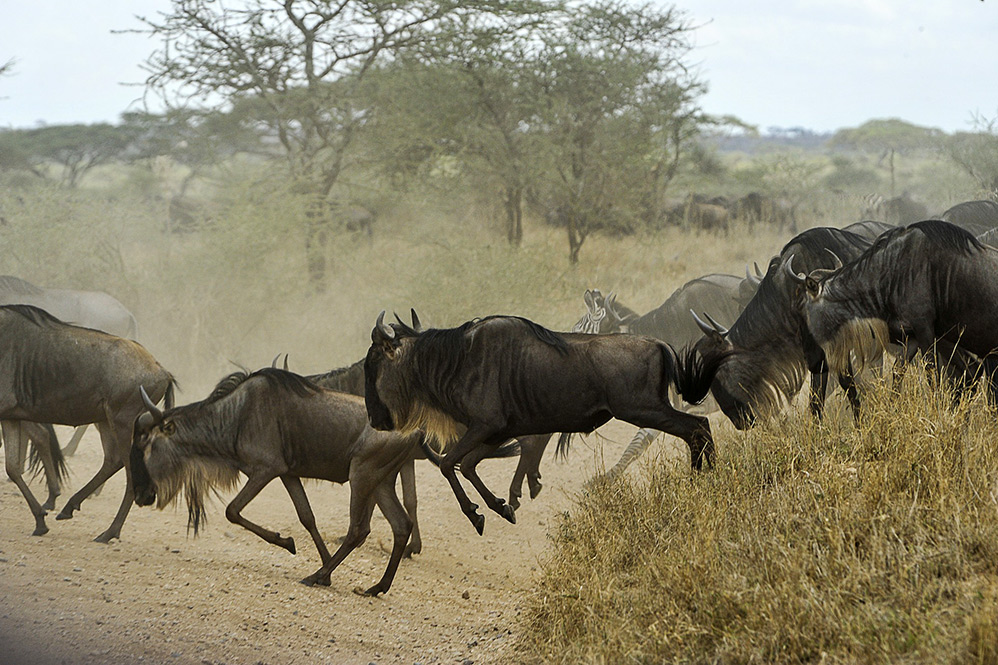
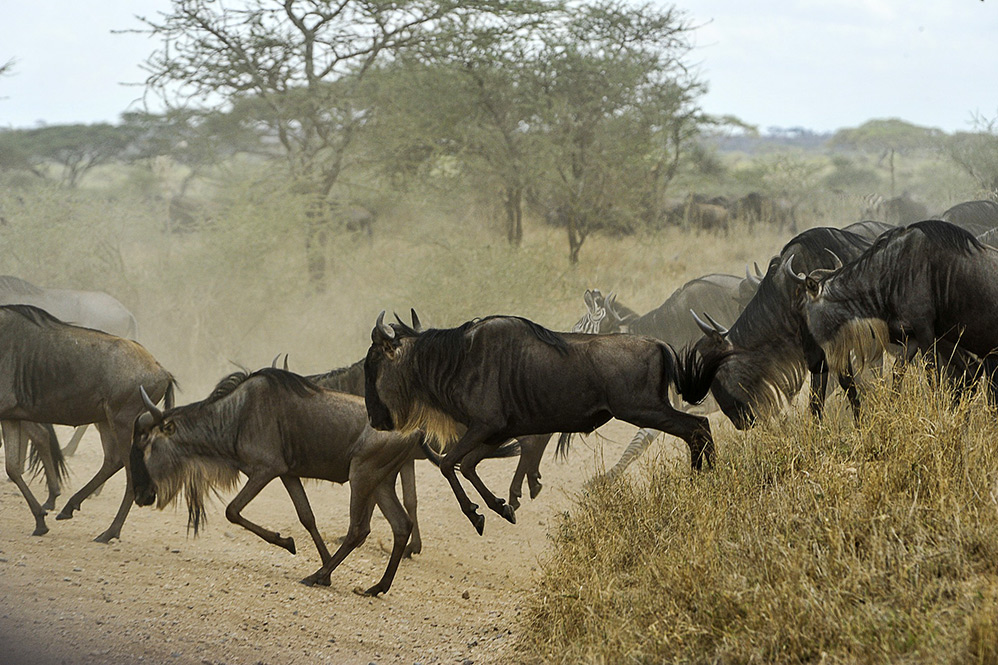
When it comes to safaris in Tanzania, Serengeti National Park is the undisputed crown jewel. Larger than some entire countries, it borders Kenya’s Masai Mara to the north and the Ngorongoro Conservation Area to the east. As a UNESCO World Heritage site and the “Mecca of Safaris,” the Serengeti is home to the vast majority of East Africa’s wildlife. During the wet season, herds of wildebeest and zebra blanket the plains. If you’re planning a visit, understanding the Great Migration is key to an unforgettable experience.
What is the Great Migration?
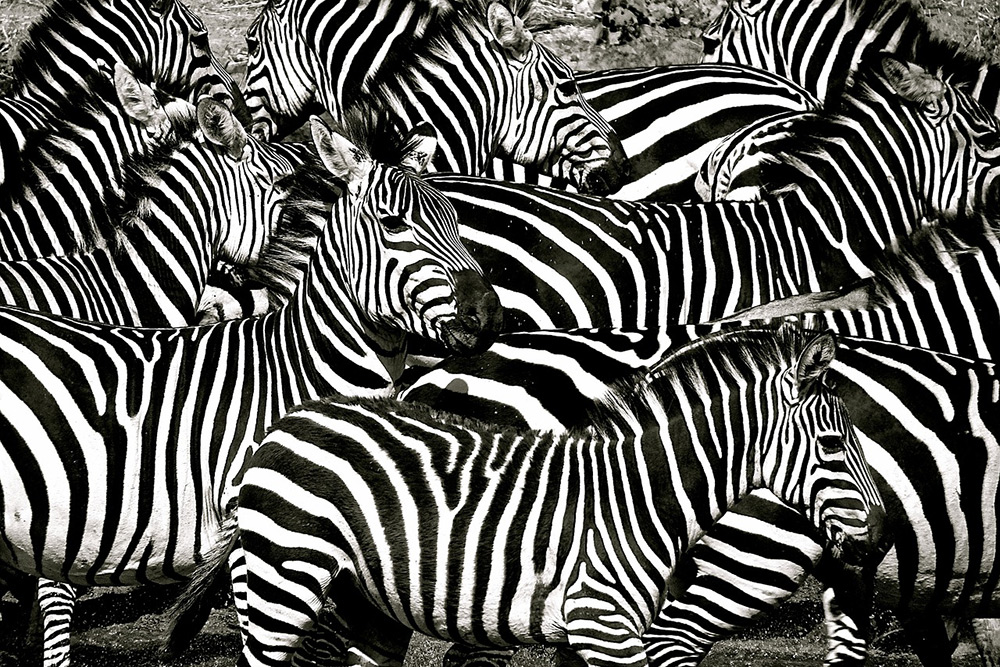
The Great Migration is the seasonal movement of approximately two million wildebeest, hundreds of thousands of zebras, and countless gazelles and elands. These massive herds follow a relentless, clockwise cycle through the Serengeti in Tanzania and the Masai Mara in Kenya. As the dry season approaches, they flee the parched earth in search of water and fertile grazing lands.
This is a life-or-death journey. Carnivores constantly lie in wait, hoping to pick off the herbivores as they move. This daily drama of “predator vs. prey” unfolds right before your eyes, offering a raw look at the survival of the fittest in the wild.
Season & Location Guide: Where to See the Herd
January – March: Calving Season
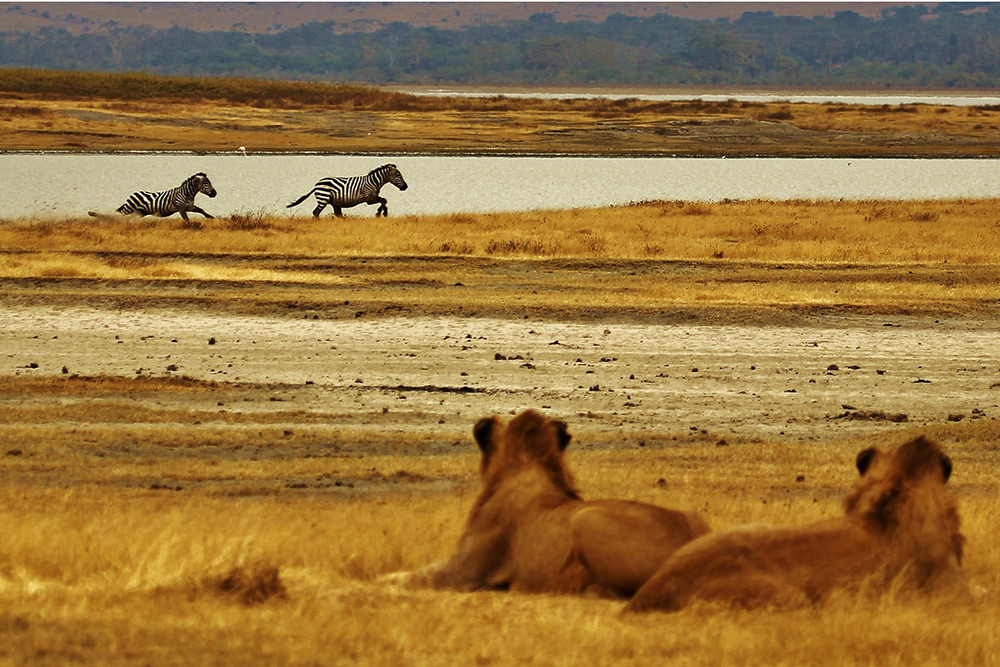
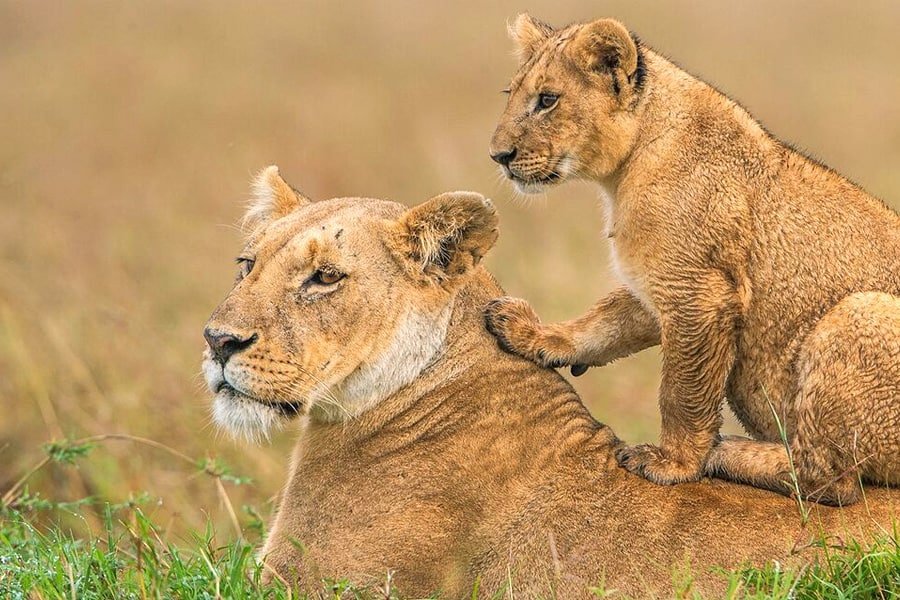
As the short dry season begins, the herds move south toward fertile grass. February is peak time to see wildebeest in the Southern Serengeti and Ndutu areas. This is the calving season, meaning your chances of seeing animal babies are very high. With thousands of newborns, predators like lions and leopards are on high alert, waiting for the perfect moment to strike.
April – mid-June: The Quiet Green Season
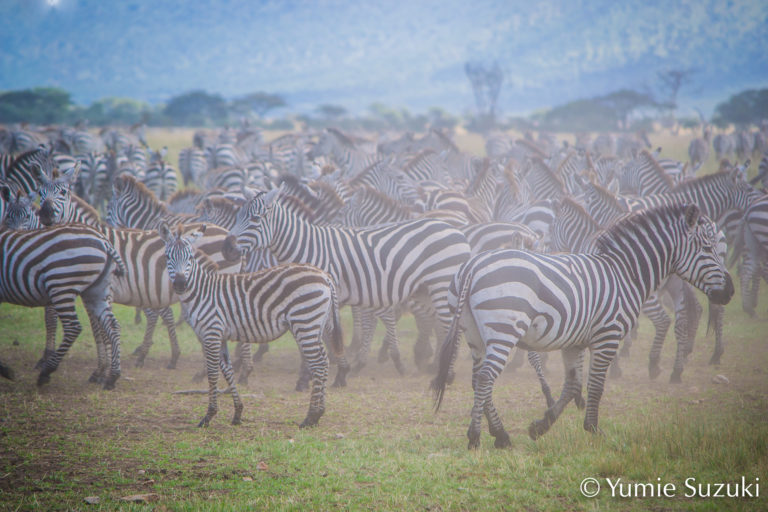
Most animals gather in the Grumeti (Central-West) and Seronera (Central) regions. This is the main rainy season (especially April–May). The herds enter a bit of a “rest mode.” While it can be wet, this is the low season—meaning fewer tourists and no crowded jeeps. In April, you might even see wild flowers blooming under the full moon.
Mid-June – July: The Great Trek North
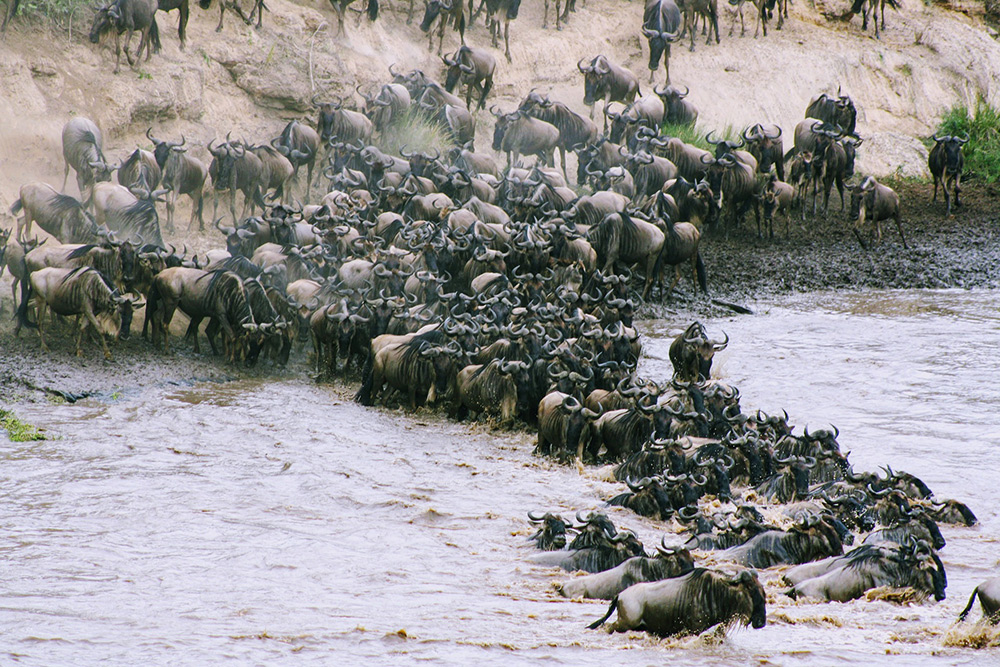
As the rains end, the heat returns. The herds move toward the Western Corridor and the Grumeti River. Here, crocodiles wait in the waters for the famous, heart-pounding river crossings. By late July, the herds push further north toward the Mara River, preparing to enter the Masai Mara.
August – September: The Dramatic River Crossings
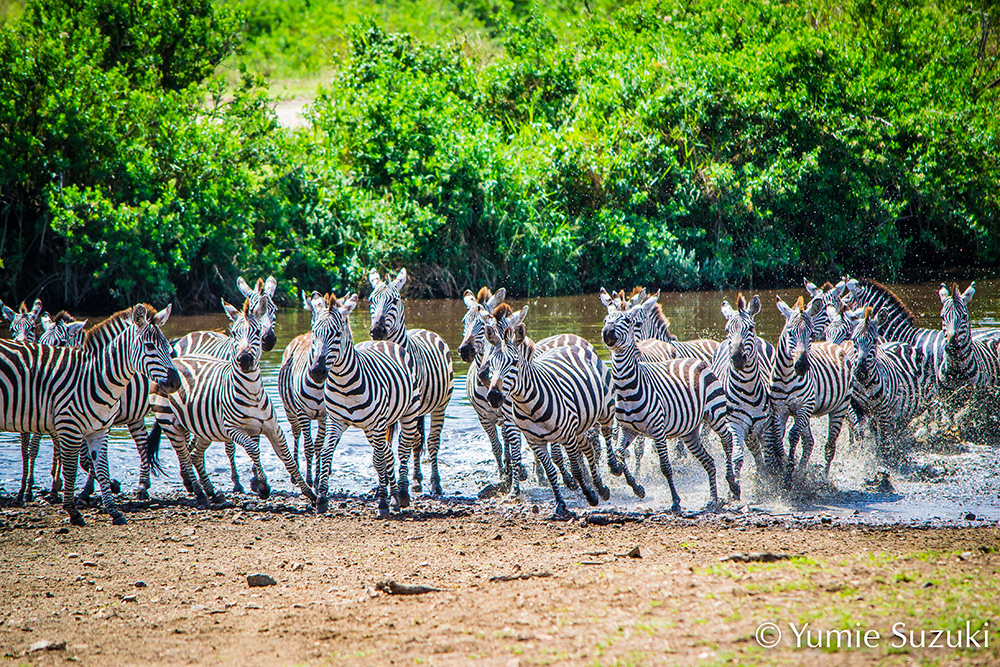
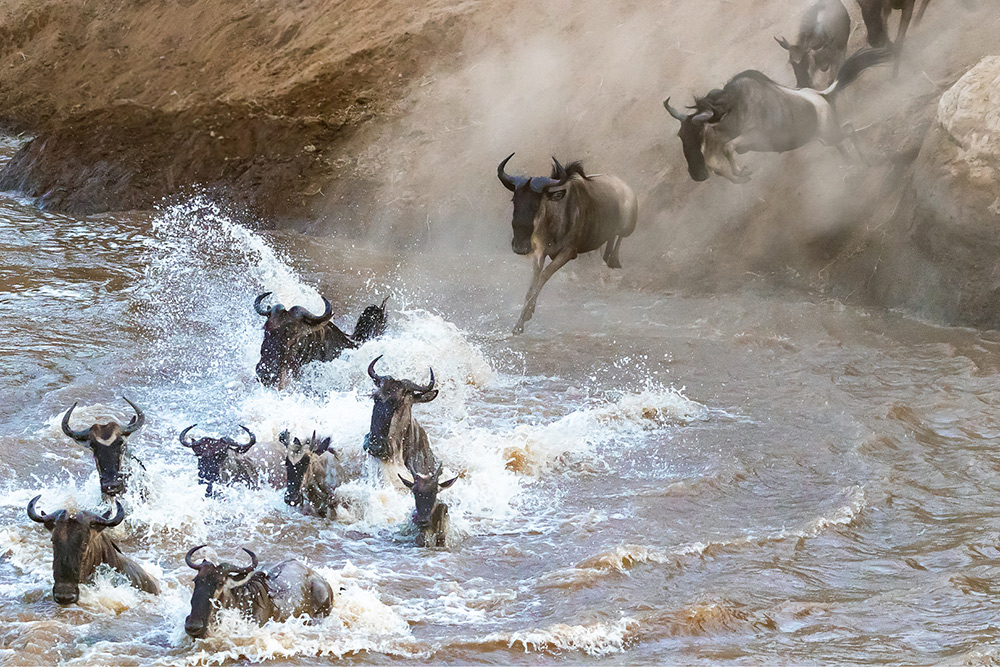
While the exact movement of the herds can be unpredictable, late August to early September offers the highest chance of witnessing the spectacular Mara River crossings. Seeing tens of thousands of animals plunge into the water is one of nature’s most powerful sights.
September – October: The Masai Mara Peak
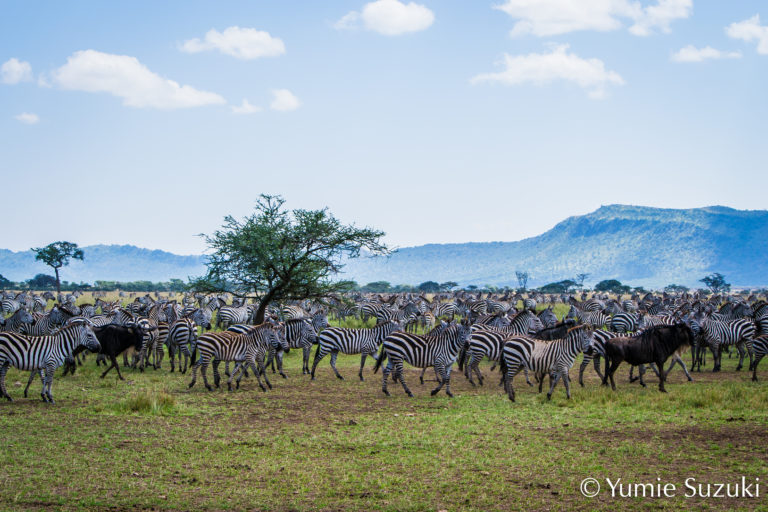
During this time, the herds are primarily in the Masai Mara National Reserve in Kenya. As the Serengeti’s dry season concludes, the migration begins its turn back toward the Tanzanian side. For those on a budget, staying in Central Serengeti is a great alternative, as predators and resident wildlife can be seen there year-round.
Mid-October – November: The Return South
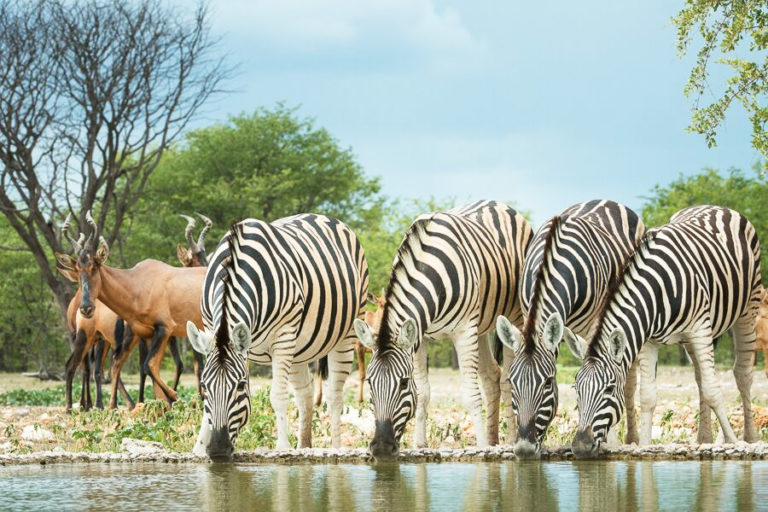
With the arrival of the “short rains,” the Serengeti plains turn green again. The animals begin their journey back toward the Seronera region in the center of the park.
Mid-to-late December: The Cycle Restarts
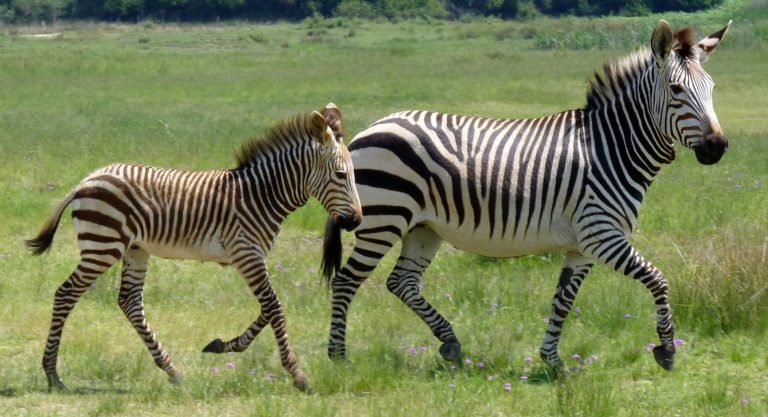
The herds return to the Southern Serengeti to prepare for the next calving season, and the incredible cycle of life begins all over again.
Summary Tips
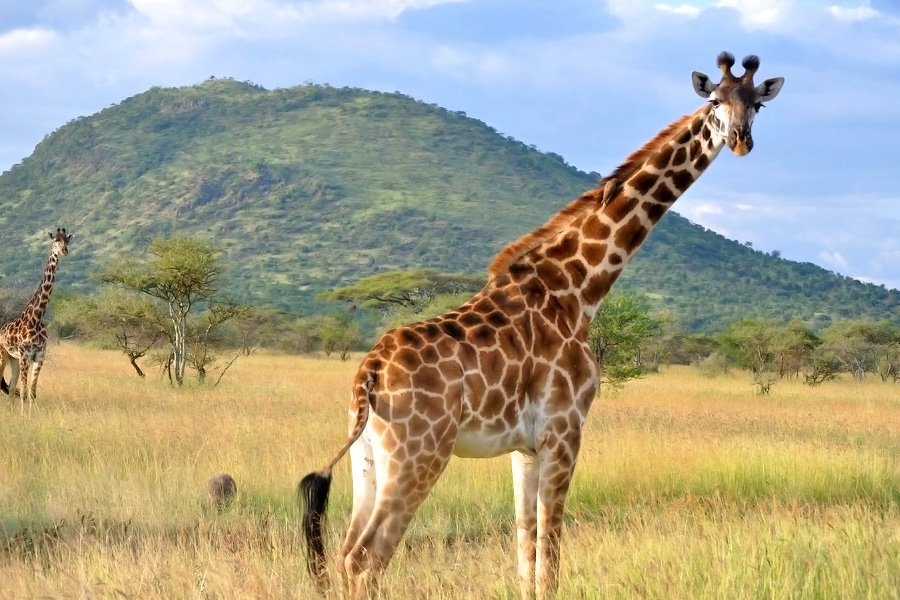
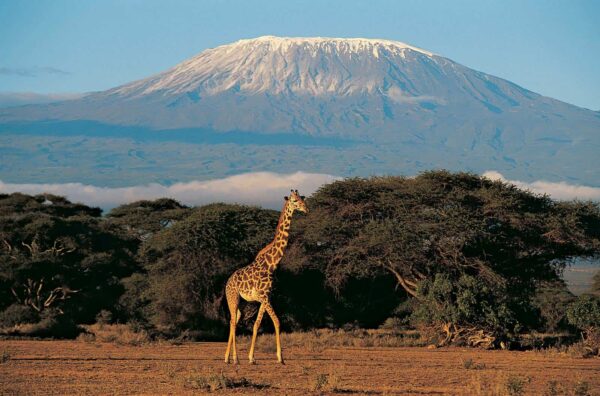
While “The Big Five” (lion, leopard, elephant, buffalo, rhino) and giraffes don’t migrate and can be seen year-round, the timing of your trip is crucial if you want to see the massive herds of wildebeest and zebras. Understanding these patterns will help you choose the best area to stay in this vast wilderness.