Kenya is a diverse, multi-ethnic nation with 42 distinct ethnic groups. While Swahili and English are the official languages, over 60 indigenous tribal languages are spoken across the country. Among these groups, the Maasai are undoubtedly the most famous worldwide. They are often portrayed in the media as the people who hunt lions and perform the “Maasai Jump”—leaping remarkably high in a vertical spring.
The Maasai are indigenous to southern Kenya and northern Tanzania. Traditionally, they were nomadic pastoralists, moving across the savanna with their cattle, sheep, and goats. Today, however, many have moved to cities to lead modern lives, while others have settled near nature reserves and national parks, earning their living through tourism and professional guiding.
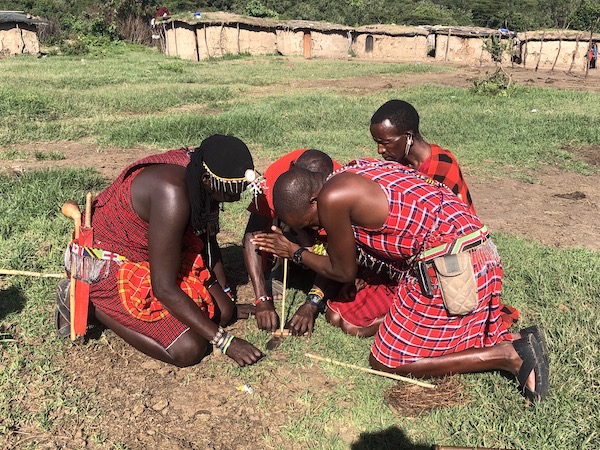
Experience a Maasai Village Tour
To witness the famous Maasai jump and learn about their rich culture, you can join a guided tour of a Maasai village (Manyatta). A typical visit lasts about an hour and includes:
- Traditional Demonstrations: Watch a primitive fire-making ceremony and listen to the rhythmic songs of the Maasai women.
- Village Life: Explore the interior of their traditional homes and interact with the energetic children playing in the settlement.
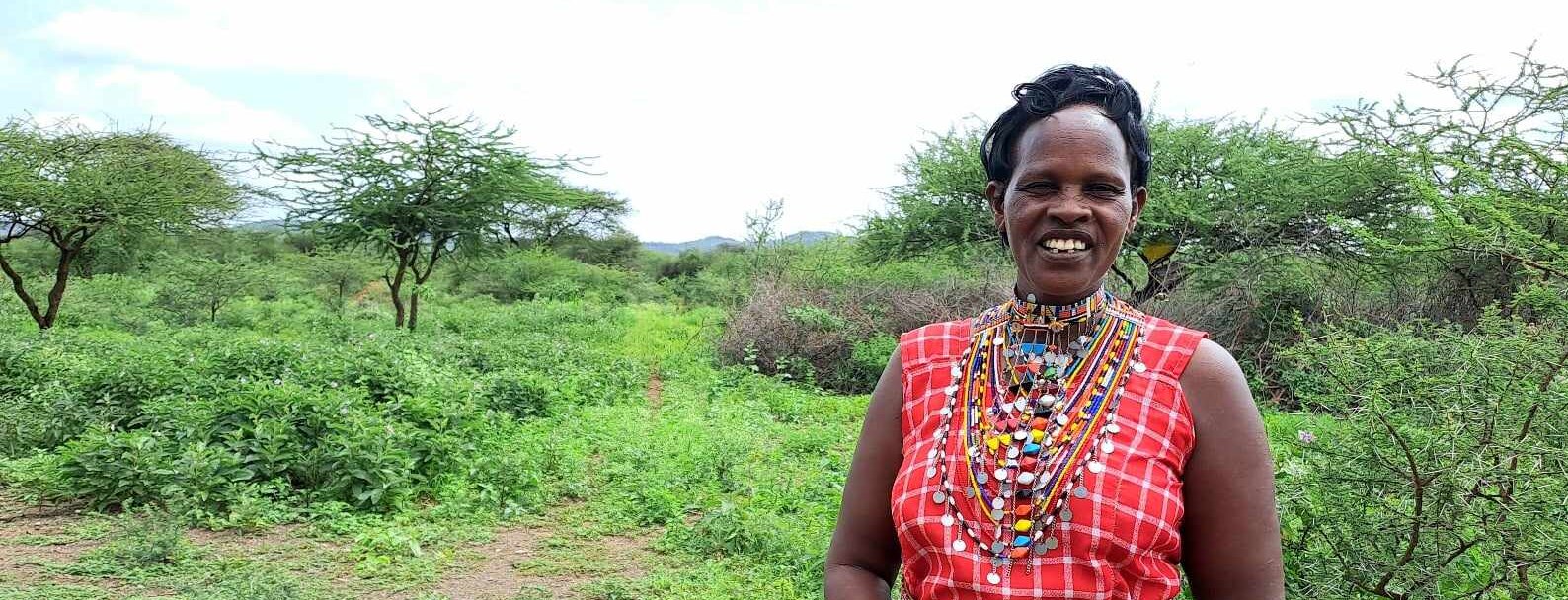
- Beauty and Strength: Seeing the Maasai warriors dressed in their vibrant Shuka (traditional cloth) and intricate beadwork is a powerful sight. Their songs and jumps radiate an overwhelming energy that reflects human strength and beauty in its purest form. Their simple way of life and peaceful expressions often offer visitors a fresh perspective on what it means to live truly.
Friendly and Playful Spirits
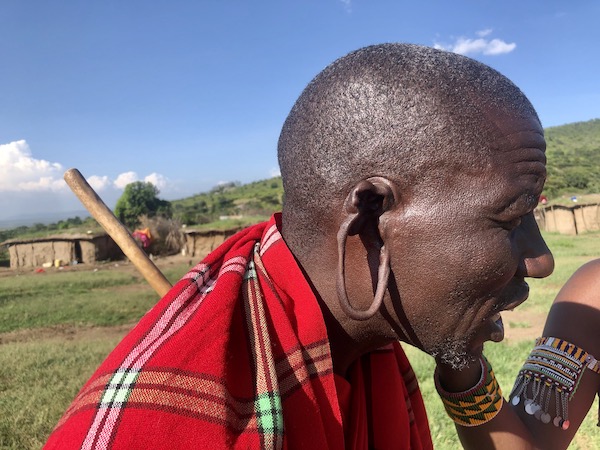
The Maasai people are incredibly bright and friendly. Some elders might show you their stretched earlobes—a traditional mark of beauty—and even jokingly invite you to give them a tug with a big smile!
However, traditions are evolving. Today’s Maasai youth rarely pierce their ears or use traditional branding. While education was once uncommon in the community, there is a growing recognition of its importance. Most children now attend school, and the traditional Maasai lifestyle continues to adapt to the modern world year by year.