Why Tanzania? Known as one of the most intriguing destinations on earth, home to humanity, evolution that comes to our existence and touches its soul. Immense in nature, the land feels alive with the sounds of wildlife, vibrant culture and its charming features.
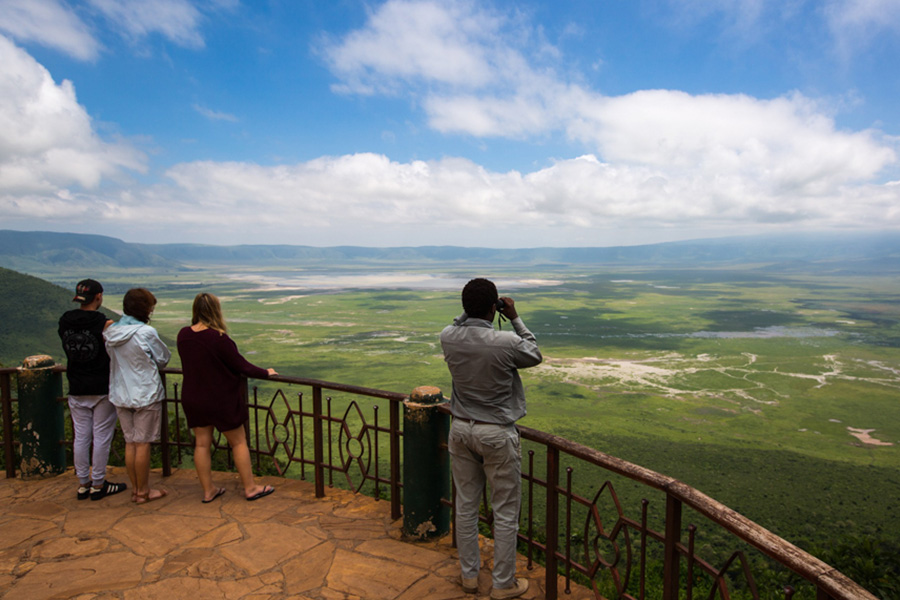
Home to the world’s most incredible natural wonders
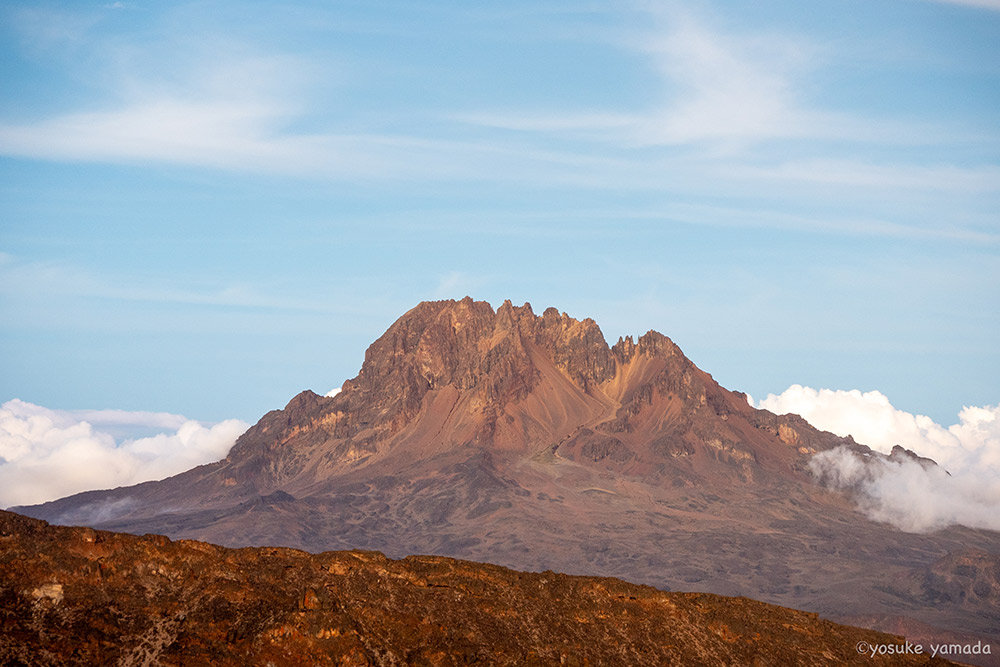
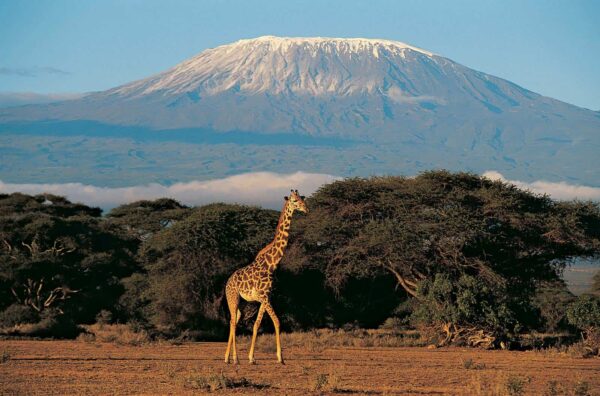
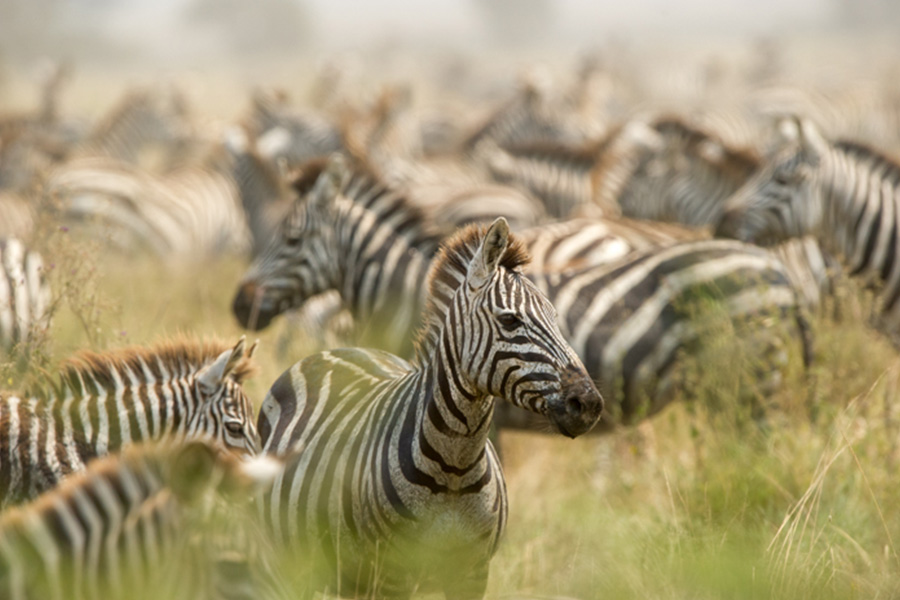
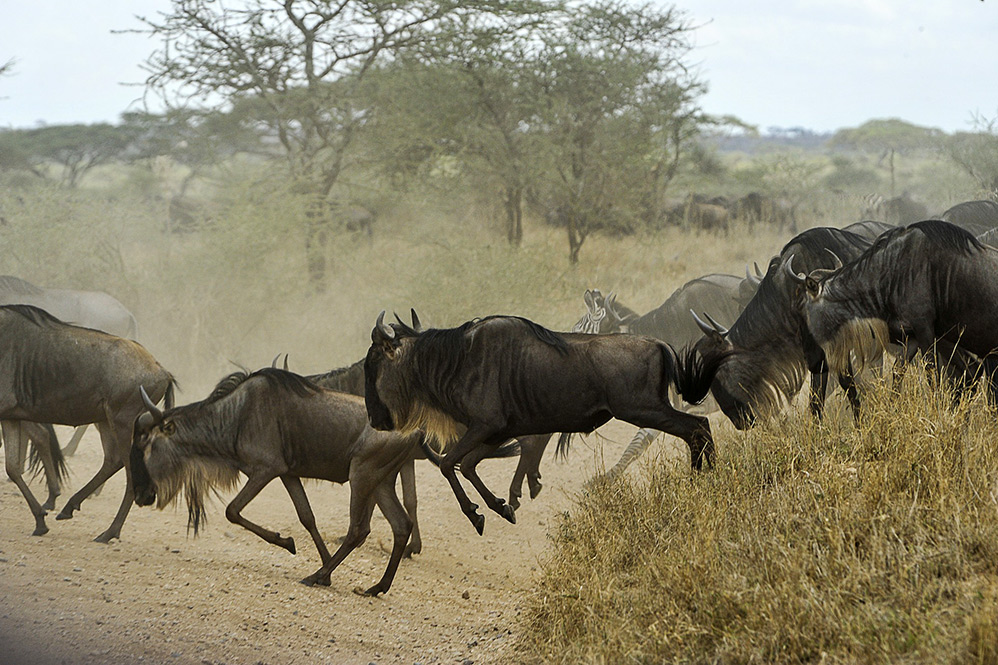
Tanzania is home to the world’s most incredible natural wonders, including Mount Kilimanjaro, Ngorongoro Crater, Serengeti National Park, annual wildebeest, zebra and Zanzibar migration.
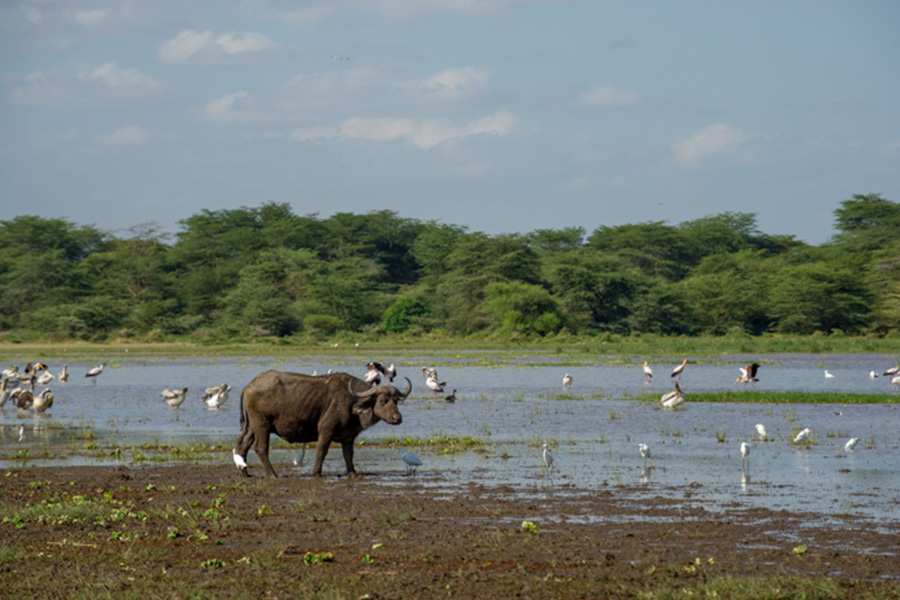
Lake Tanganyika
Known as the deepest lake on the continent, is very unique for its fish species. Wildlife reserves work together with national parks to help preserve the country’s endemic species. Conservation is at the forefront of protecting our wildlife and balancing human conflicts.
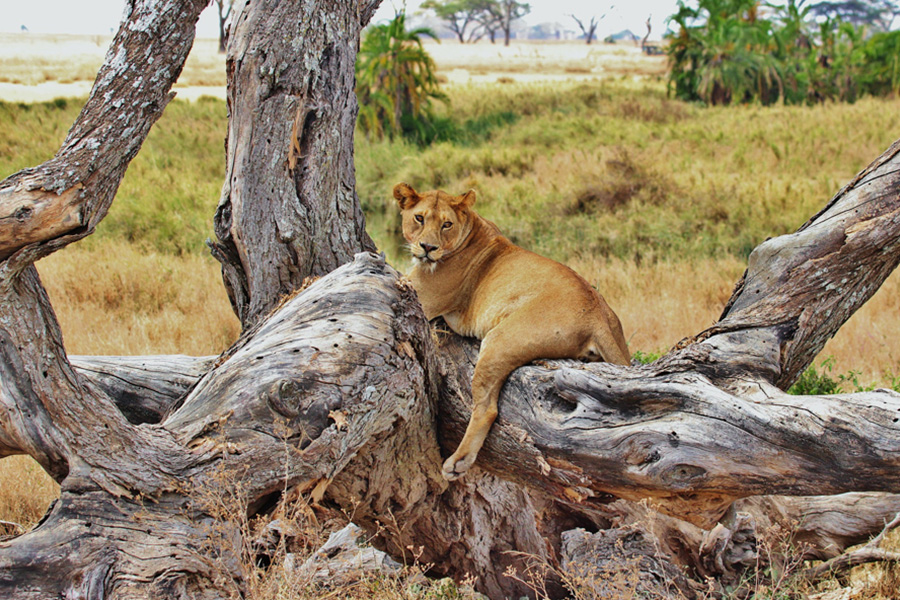
Wildlife Conservation Challenges in Tanzania
Tanzania is home to a rich diversity of wildlife, including several endangered species such as the black rhinoceros and the African wild dog. These iconic animals face ongoing threats from habitat loss, poaching, and human–wildlife conflict. In recent years, growing concern has also been raised about the declining lion population, which is now increasingly under threat due to shrinking habitats, reduced prey availability, and conflicts with surrounding communities. Protecting these species is critical not only for biodiversity conservation, but also for sustaining Tanzania’s world-renowned safari tourism and natural heritage.
A quiet, unspoiled and untold nature, Tanzania is very diverse with something new and different, day by night, month by month.
Many of Tanzania’s most impressive aspects are best described, such as Masai warriors illuminating the night sky with a ceremonial buzz of singing and traditional dancing. The migratory herds of wildebeest make their way through the Serengeti, chasing the rains in search of greener grass. Lake Tanganyika, one of the great lakes of Africa on the western side of Tanzania, you will find here the remote Mahale Mountains and Katavi National Parks.
Richard Burton and John Speke were the first explorers to discover the great Rift Valley lake in 1858, while searching for the Source of the Nile. The spice island of Zanzibar, known locally as Ungjuja, is well known for its Persian, Arabic and Omani descent. Stone Town, as we know it today, is famous for its fascinating variety of spices, historical culture and narrow streets, which bear an intriguing resemblance to the centuries-old cities of Oman.
Read more
Walk into scenes you’ve imagined—then make them yours.
Recommended Season
| Jan | Feb | Mar | Apr | May | Jun | Jul | Aug | Sep | Oct | Nov | Dec |
|---|---|---|---|---|---|---|---|---|---|---|---|
| ◯ | ◎ | △ | × | △ | ◯ | ◎ | ◎ | ◎ | ◯ | △ | ◯ |
Best season (July–September) This is the peak dry season and the best time for safaris in Tanzania. Wildlife gathers around permanent water sources, making animal sightings excellent. It is also the prime period to witness the Great Migration, including dramatic river crossings in the Serengeti. Calving season (January–February) The southern Serengeti hosts the wildebeest calving season, attracting large numbers of predators. This period offers outstanding wildlife action, though occasional rain showers may occur. Rainy seasons The long rains (March–May) bring lush green landscapes but can make travel challenging, especially in April, when rainfall is at its peak. The short rains (November) are usually brief and less disruptive, with fewer visitors and lower rates. Climate considerations Tanzania’s seasonal differences are driven mainly by rainfall rather than temperature. Even during the rainy seasons, wildlife remains abundant, and travel can still be rewarding for experienced or flexible travelers.