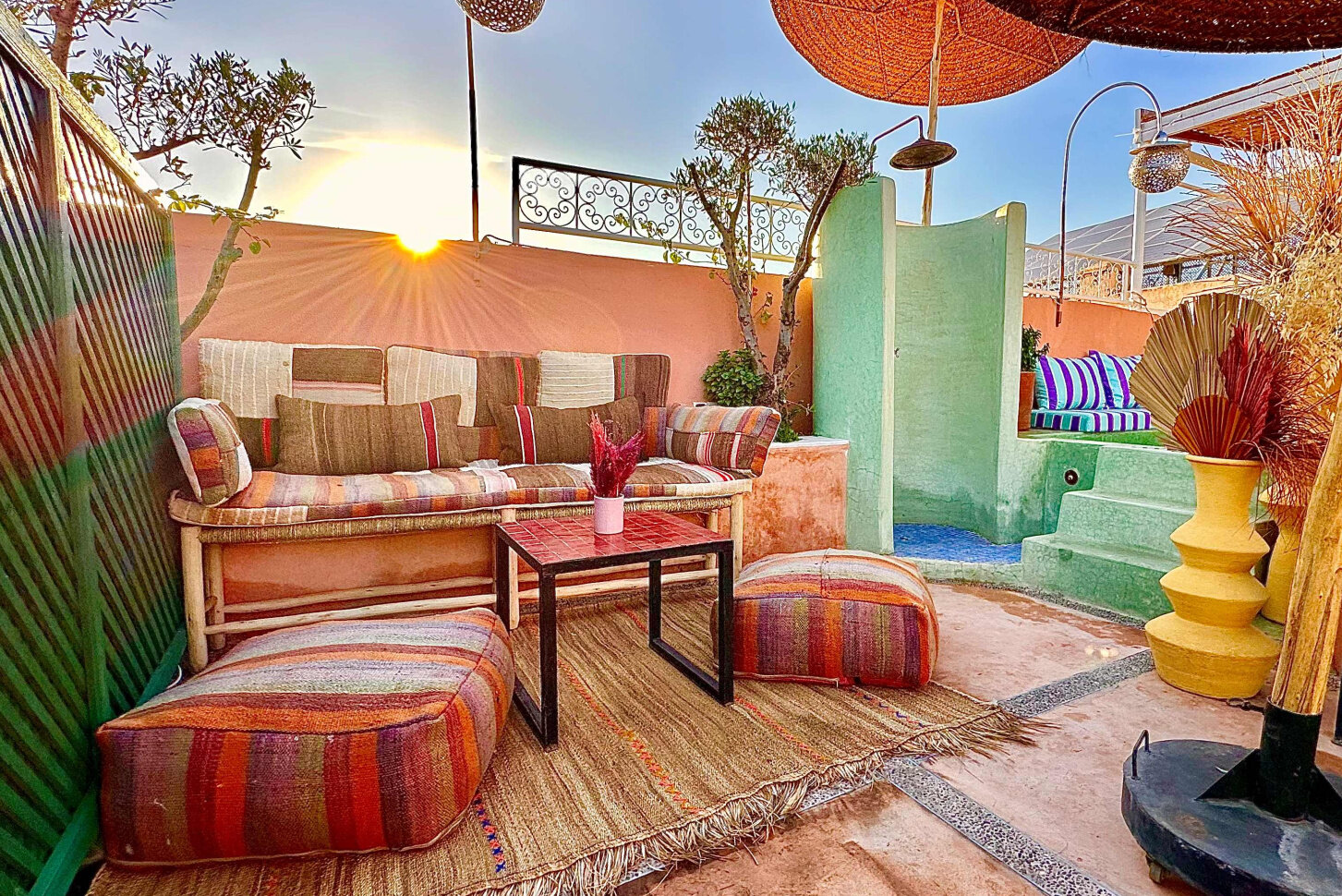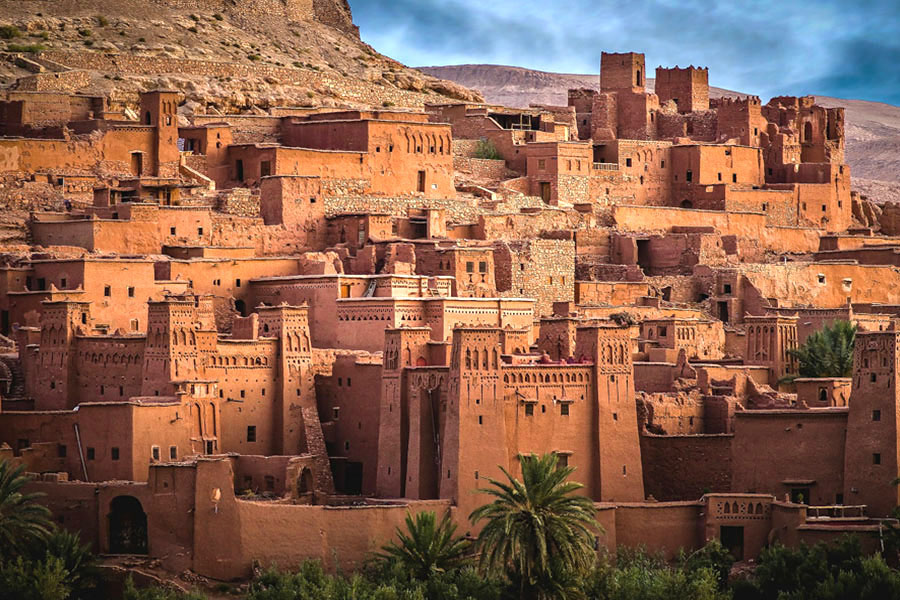
Morocco has a long history and is a traditional kingdom that has been passed down for centuries. Morocco has built a unique culture by combining various elements such as the intersection of Europe, Africa and Arab, and has nine World Heritage sites of which people are proud.
The Flavors of Morocco
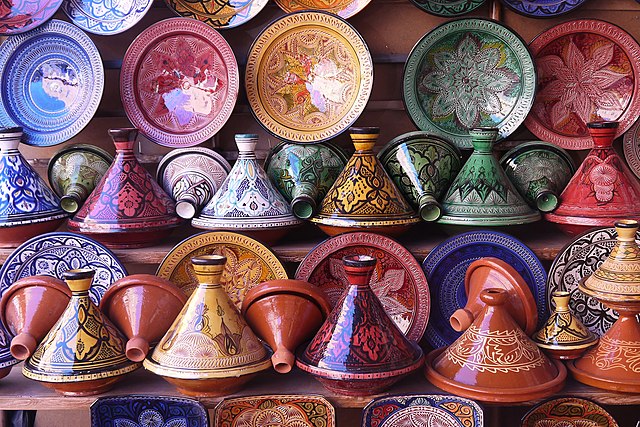
Moroccan cuisine registered as Intangible Cultural Heritage by UNESCO as Mediterranean cuisine. Moroccan spiced food is said to be a foreigner’s favorite. Of these, the Tajine simmer is typical. Although it is an Islamic country, the wines produced by Meknes have a great selection due to the fact that the wine making method was introduced under French rule.
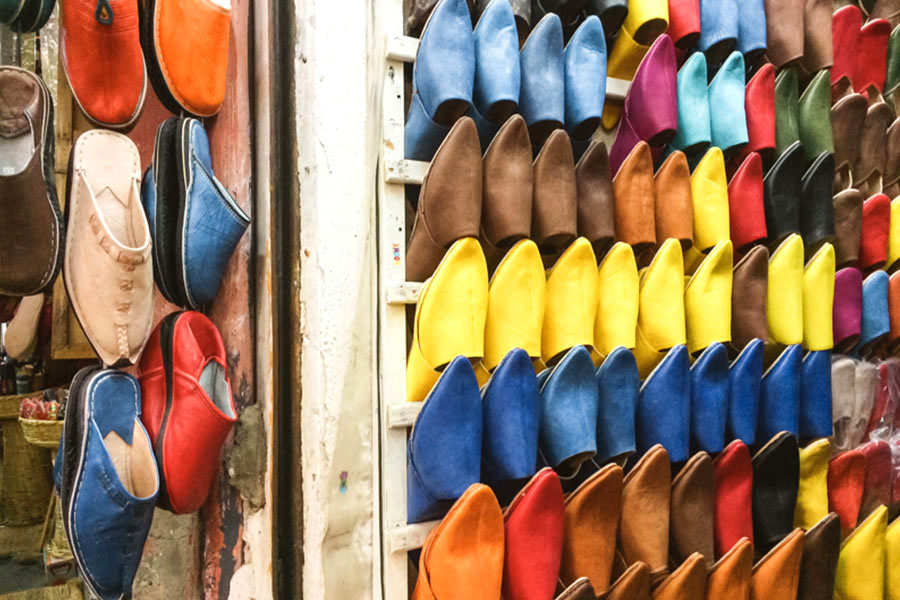
Where Craft Becomes Culture
Morocco has many attractive crafts. Rugs, leather products such as Babush (sandals), wood products, fabrics, interior accessories for metalwork, accessories, minerals such as fossils and sahara rose, ceramics, rose perfume, parquet, etc. You will be amazed by the abundance of various Moroccan products. Prices are not marked in the market (souk), so it is Moroccan style to enjoy artisan shopping while prices are negotiated.
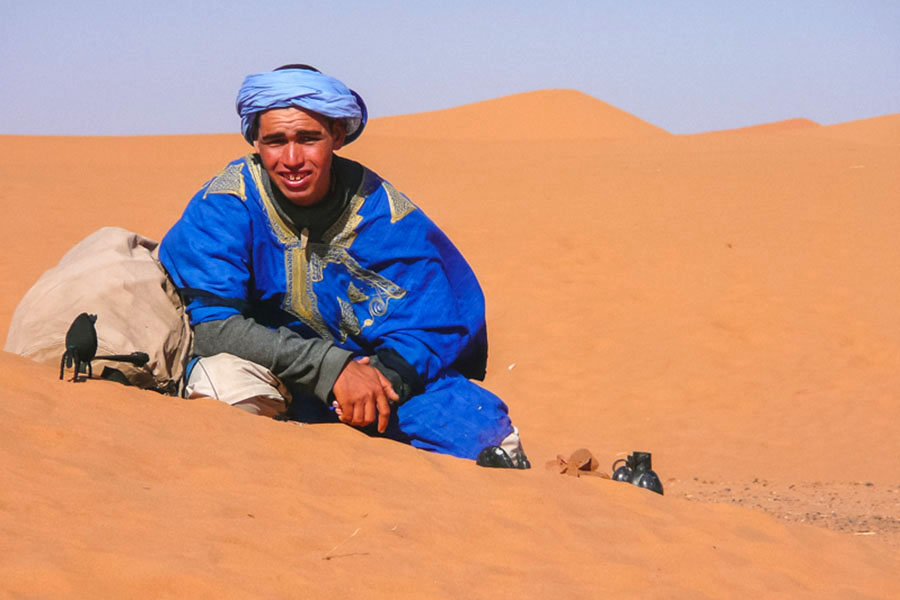
At Africa’s Western Horizon
The beautiful kingdom of the Maghreb. Along with Tunisia and Algeria in North Africa, it is called the Maghreb. ‘Maghreb’ is an Arabic word that means ‘sunset’ or west.
True to its name, the region is defined by warm light, long horizons, and cultures shaped by both Africa and the Mediterranean.
Morocco has been inhabited by humans since prehistoric times, and its history dates back to the 30th century.
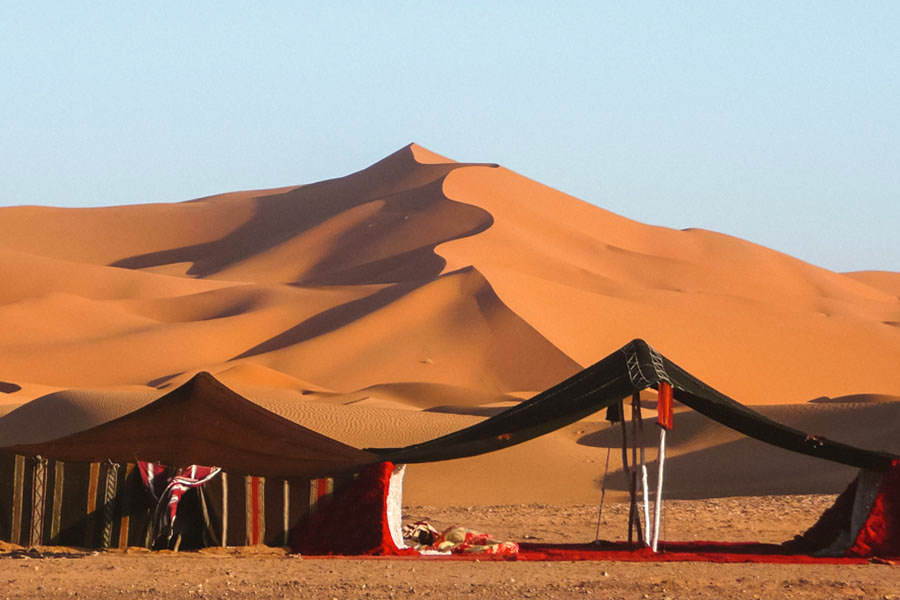
You can see exotic and luxurious treasures in the museum, where the civilizations of the Roman Empire, Berber and Arab intersect. Islamic architecture, ruins, and beautiful handicrafts are a must-see in Morocco, and you’ll be amazed at the myriad of works of art such as rugs, pottery, costumes, and weapons. Morocco is the Sahara desert. In the golden desert, listen to the music played by the Berbers and enjoy a tent tour under the starry desert sky. Take a stroll through the endless camel-balanced sand dunes or twilight in the endless Sahara desert. How to enjoy this trip is exclusive to Morocco.
Walk into scenes you’ve imagined—then make them yours.
Recommended Season
| Jan | Feb | Mar | Apr | May | Jun | Jul | Aug | Sep | Oct | Nov | Dec |
|---|---|---|---|---|---|---|---|---|---|---|---|
| ◯ | ◯ | ◎ | ◎ | ◎ | ◯ | △ | △ | ◯ | ◎ | ◎ | ◯ |
Best season (March–May & October–November) Spring and autumn offer the most comfortable conditions for traveling throughout Morocco. Mild temperatures and low rainfall make these periods ideal for exploring imperial cities, the Atlas Mountains, and desert regions such as the Sahara.
Summer heat considerations (July–August) Summer brings intense heat, particularly in Marrakech, Fes, and desert areas. While sightseeing can be challenging, the Atlantic coast—Essaouira and Casablanca—remains cooler and appealing.
Winter travel (December–February) Winters are generally mild in cities and coastal regions, though nights can be cold in the desert and mountains. This season is well suited for cultural exploration, markets, and culinary experiences.
Climate overview Morocco’s climate varies by region, influenced by the Atlantic Ocean, Mediterranean Sea, Atlas Mountains, and Sahara Desert. Planning by destination is key, as conditions can differ significantly within the same season.