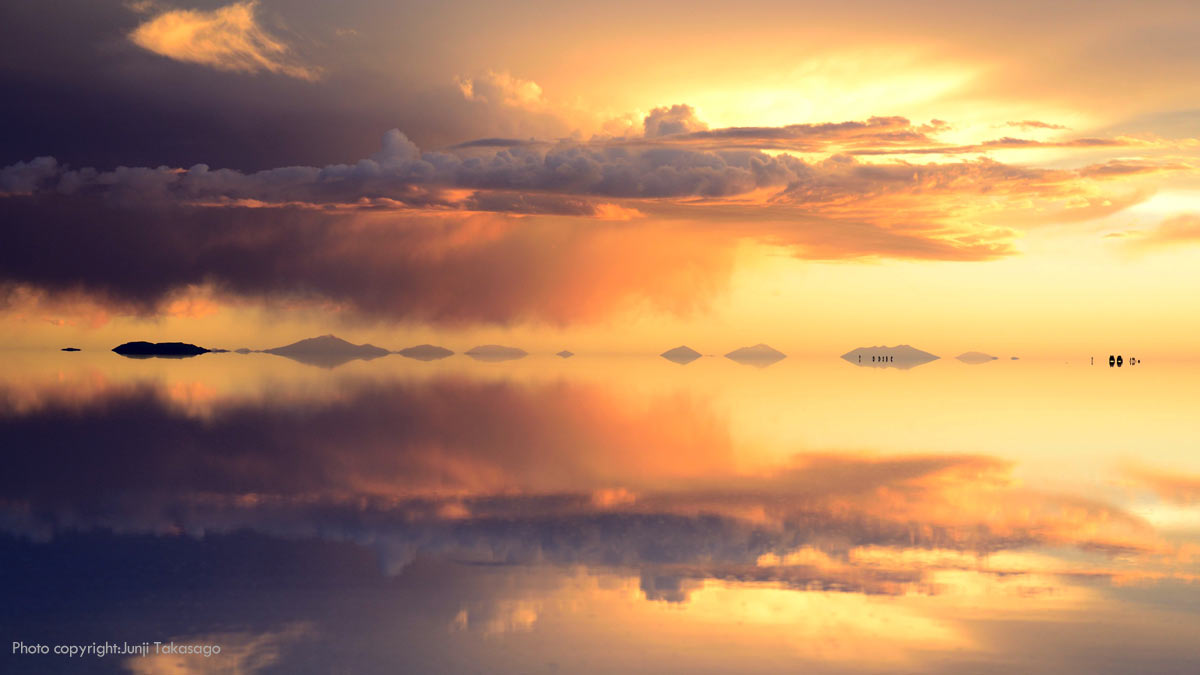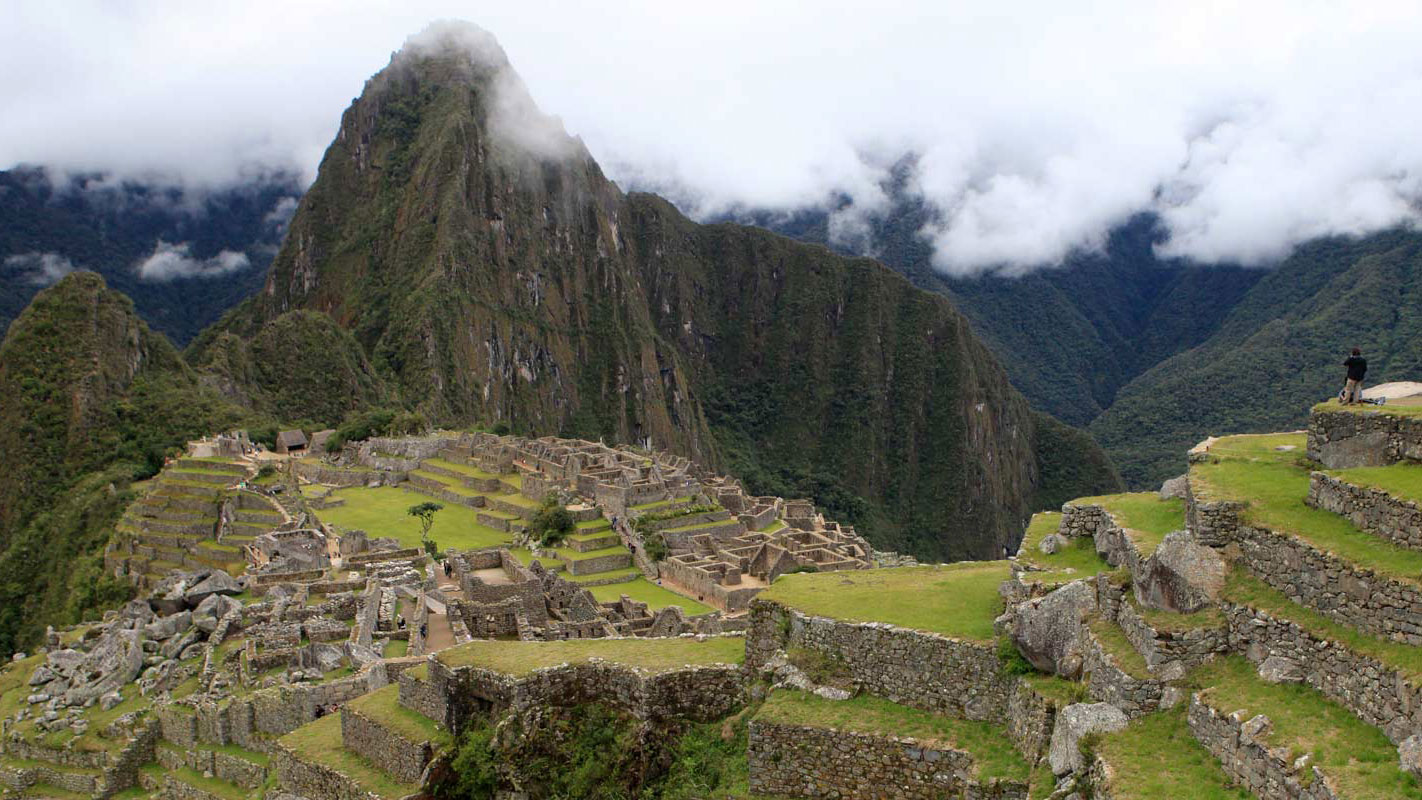
Peru is a land of endless mysteries and enchanting destinations. From Lake Titicaca, the legendary birthplace of the Inca Empire, to the ancient capital of Cusco and the awe-inspiring ruins of Machu Picchu, the allure of the past is ever-present. The enigmatic Nazca Lines, etched into the desert by a long-lost civilization, and the colonial charm of Lima, where echoes of Spanish rule linger, add to the country's irresistible appeal.
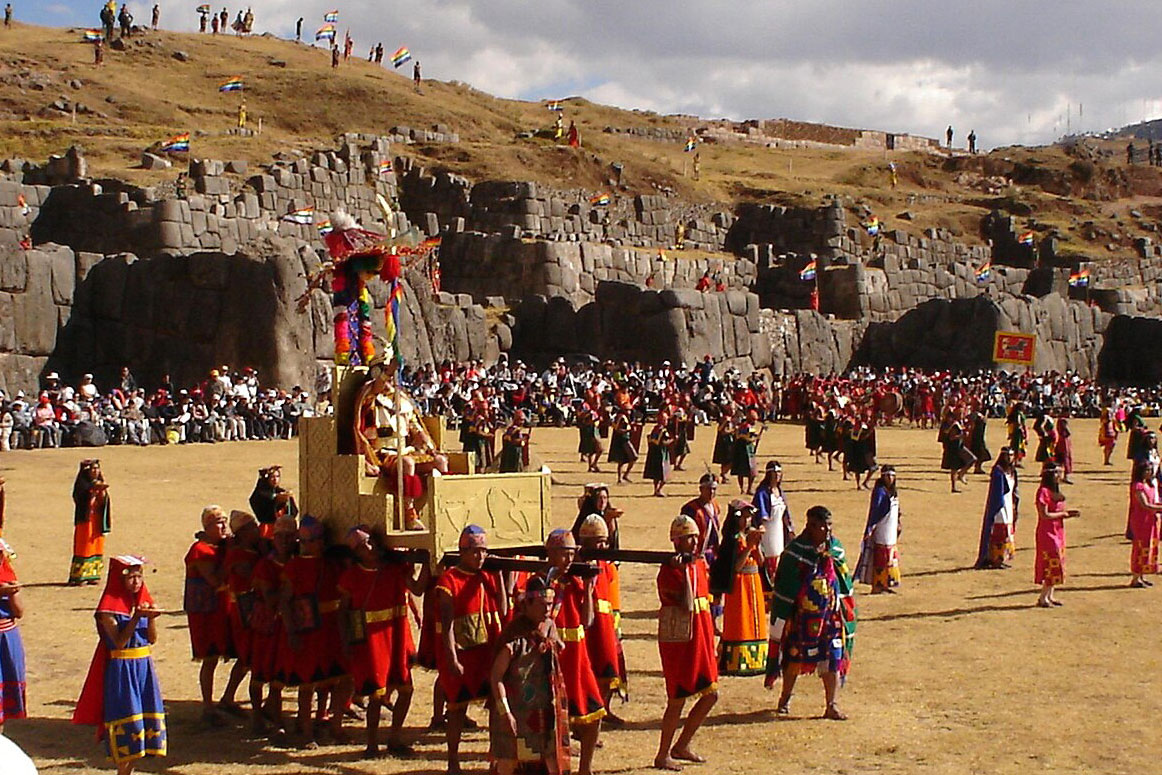
A Legacy of Empires
Peru is a country with a rich cultural heritage that dates back thousands of years. It was the center of the Inca Empire, the largest empire in pre-Columbian America, which left a lasting legacy in the form of remarkable archaeological sites such as Machu Picchu and Cusco. Following the Spanish conquest in the 16th century, Peru became a major center of Spanish colonial power in South America, which is reflected in its architecture, art, and cultural traditions.
Today, Peru is a vibrant mix of indigenous, Spanish, and other influences. The country celebrates a variety of traditional festivals and has a rich artistic and musical heritage. Indigenous cultures remain strong, particularly in the Andean regions, where Quechua and Aymara are widely spoken.
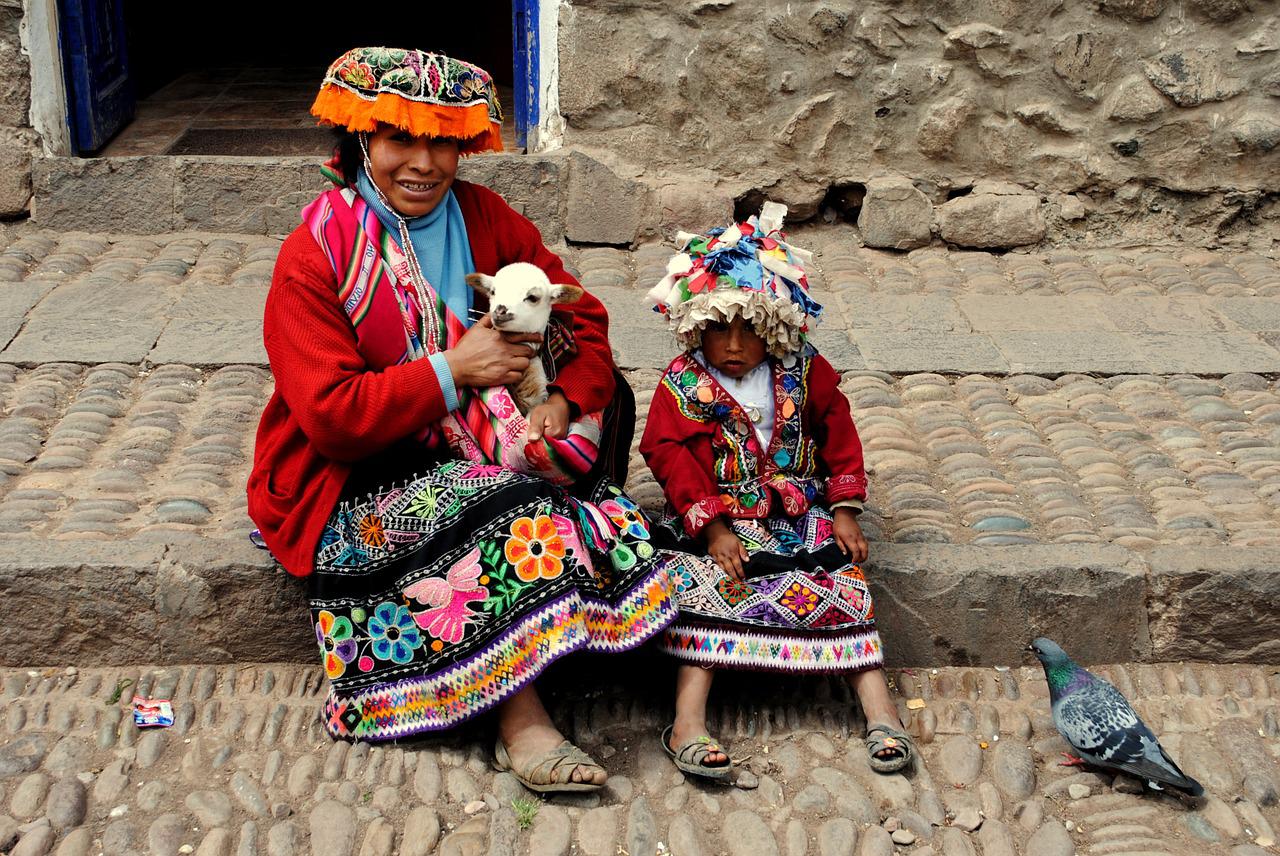
Many Voices, One Country
Peru has a population of around 33 million people. The official language is Spanish, but Quechua and Aymara are also recognized as official languages, particularly in the Andean regions. Peru is a multi-ethnic country, with a population that includes indigenous peoples, mestizos (mixed indigenous and European ancestry), Europeans, Africans, and Asians.
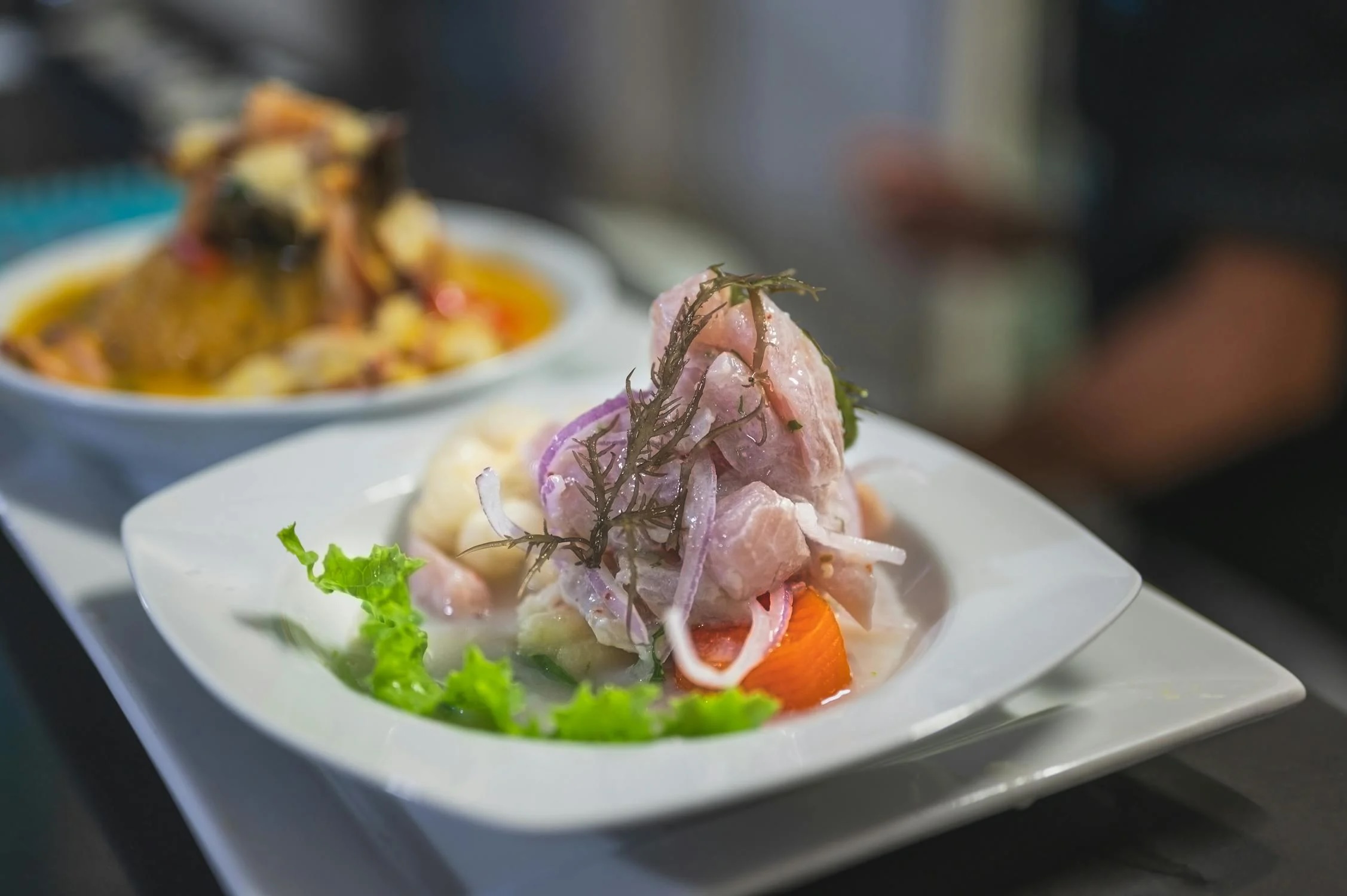
Where Cultures Meet at the Table
Peruvian cuisine is celebrated worldwide for its diversity and flavor. It’s a fusion of indigenous ingredients with Spanish, African, and Asian influences. Some of the country’s most famous dishes include ceviche (fresh fish marinated in citrus juices), lomo saltado (stir-fried beef with vegetables), and aji de gallina (a creamy chicken stew). Peru is also known for its superfoods, such as quinoa, maca, and a variety of potatoes.
Walk into scenes you’ve imagined—then make them yours.
Recommended Season
| Jan | Feb | Mar | Apr | May | Jun | Jul | Aug | Sep | Oct | Nov | Dec |
|---|---|---|---|---|---|---|---|---|---|---|---|
| △ | × | △ | ◯ | ◎ | ◎ | ◎ | ◎ | ◎ | ◯ | △ | △ |
Best season (May–September) The dry season offers the best overall travel conditions in Peru, particularly for visiting Machu Picchu, Cusco, and the Andean highlands. Clear skies and low rainfall make this period ideal for trekking, sightseeing, and cultural exploration.
Rainy season (December–March) The wet season brings heavy rainfall to the Andes, especially from January to February. While travel can be challenging, the landscape becomes lush and green, and visitor numbers are lower. Coastal areas, including Lima, remain relatively dry year-round.
Shoulder seasons (April & October) These transitional months provide a good balance of favorable weather, fewer crowds, and greater availability. They are well suited for travelers seeking a quieter experience while still enjoying major highlights.
Climate considerations Peru’s climate varies significantly by region. The coast is mild and dry, the Andes experience strong seasonal contrasts, and the Amazon remains warm and humid year-round. Planning by region and season is essential for a smooth and rewarding journey.