
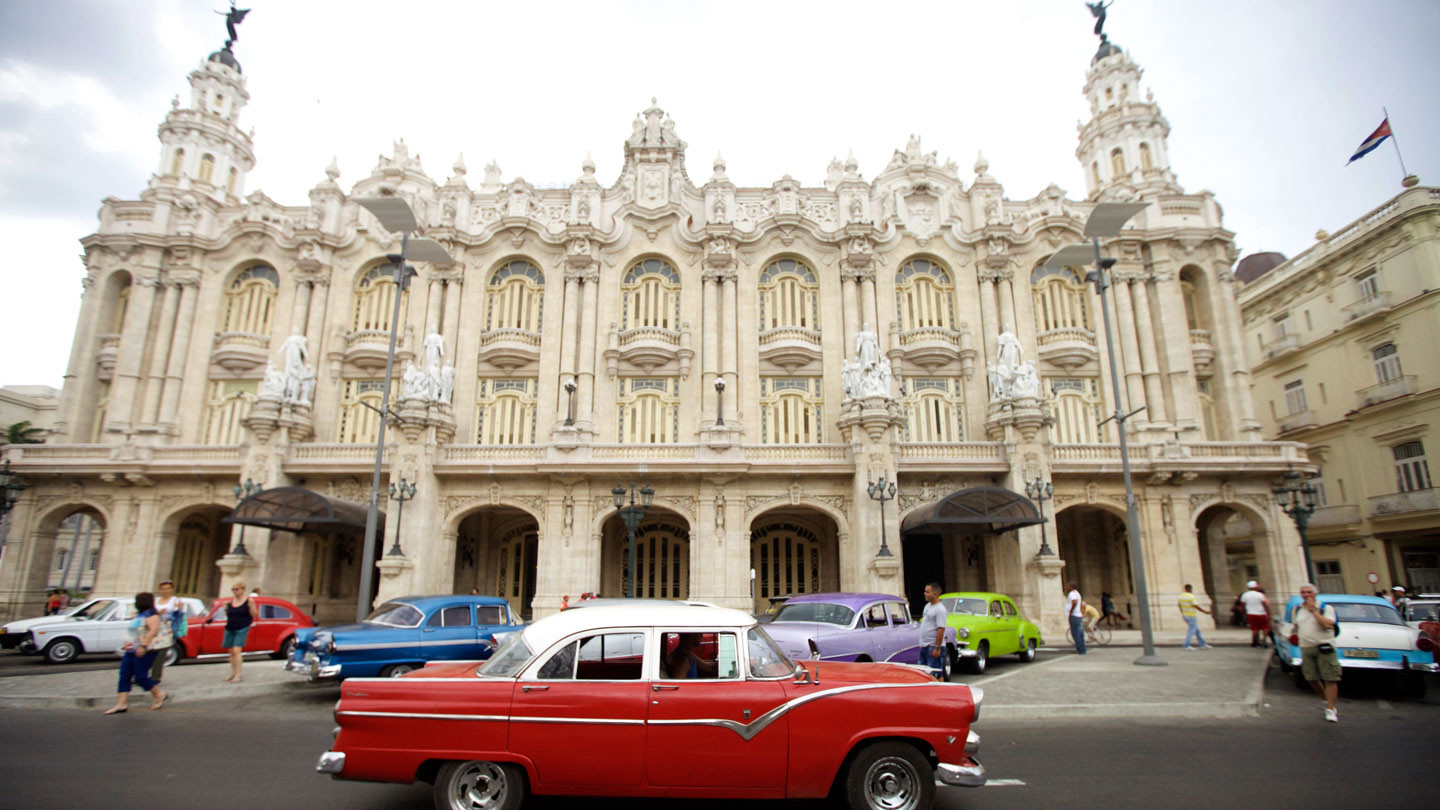
Cuba is the largest island in the Caribbean, located between the Gulf of Mexico and the Atlantic Ocean, offering diverse landscapes that include beaches, tropical forests, plains, and mountain ranges.

Cuba: History, Revolution, and Beauty
Cuba’s history is marked by its Spanish colonial past and the 1959 revolution, which led to the establishment of a communist government under Fidel Castro, influencing the country's identity and relations with the world. Cuba offers a range of tourist attractions, from the historical charm of Old Havana and Trinidad to the stunning beaches of Varadero and the natural beauty of Viñales Valley and Cayo Coco.
Cuba offers a mix of culture, history, natural beauty, and relaxation, with highlights ranging from the colonial architecture of Havana and Trinidad to the serene beaches of Varadero and the rugged mountains of Sierra Maestra. Each region has its unique charm and attractions for visitors to explore.
Walk into scenes you’ve imagined—then make them yours.
Recommended Season
| Jan | Feb | Mar | Apr | May | Jun | Jul | Aug | Sep | Oct | Nov | Dec |
|---|---|---|---|---|---|---|---|---|---|---|---|
| ◎ | ◎ | ◎ | ◎ | ◯ | △ | △ | △ | × | △ | ◯ | ◎ |
Best season (December–April) The dry season offers the most comfortable conditions for traveling throughout Cuba. Lower humidity and warm temperatures make this period ideal for exploring historic cities such as Havana and Trinidad, as well as enjoying beach destinations like Varadero and Cayo Coco.
Rainy and hurricane season (June–October) Summer months bring higher humidity, frequent rainfall, and the risk of hurricanes, particularly from August to October. While travel is still possible, flexibility and careful planning are essential during this period.
Shoulder seasons (May & November) These transitional months offer fewer crowds and better availability. Weather can be mixed, but they provide good value and a quieter travel experience.
Climate considerations Cuba has a tropical climate with warm temperatures year-round. Seasonal differences are driven primarily by rainfall and hurricane activity rather than temperature changes, making timing an important factor when planning a visit.