
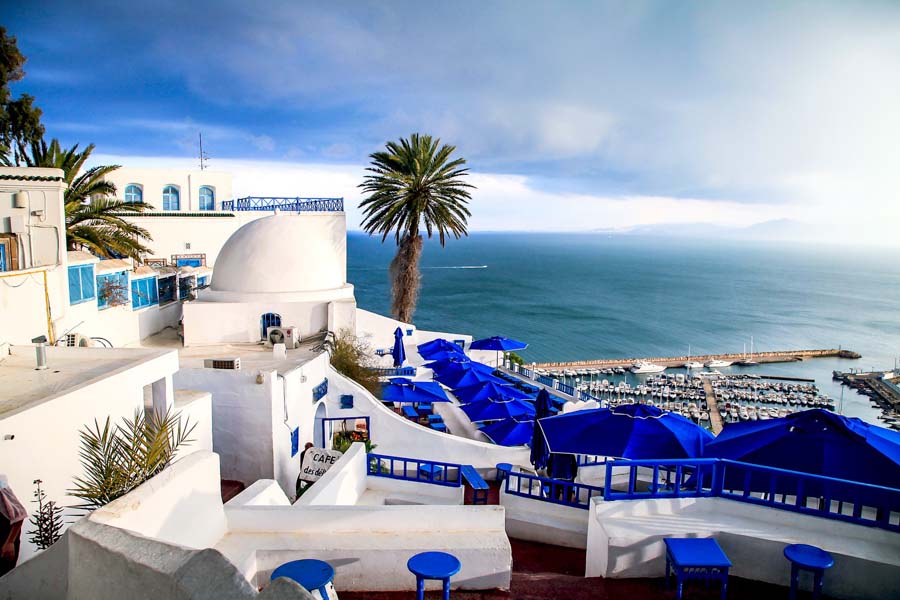
Tunisia's history stretches back to the 9th century BC, offering a rich tapestry of cultures shaped by its turbulent past. When you visit the World Heritage-listed ruins, you'll discover the remnants of several civilizations that have thrived here. Tunisia is the only place where you can experience a unique blend of Turkish, Arab, European, and diverse cultural influences, all set against its distinct Mediterranean backdrop
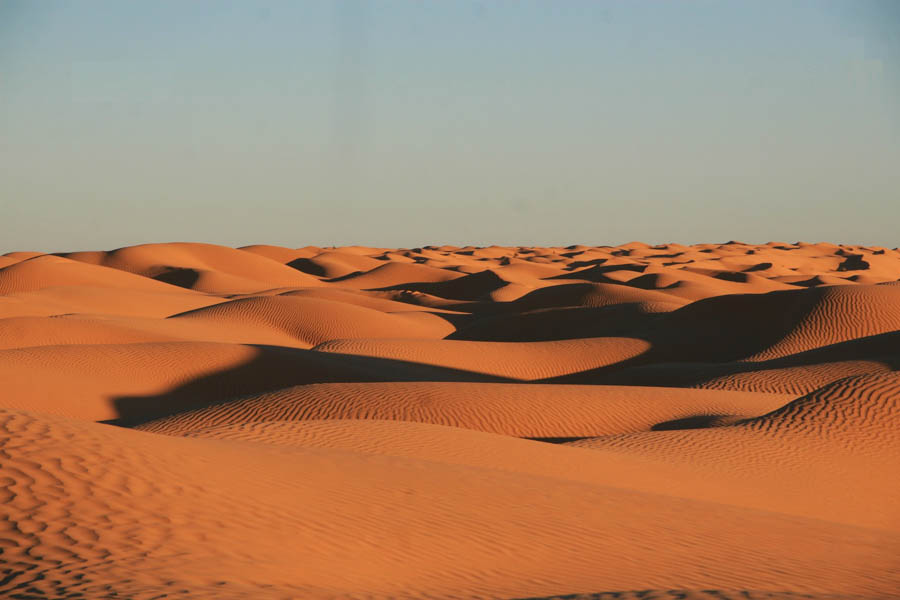
Echoes of Sand and Time
In southern Tunisia, the vast expanse of the Sahara Desert, the largest desert in the world, stretches out in all its grandeur. This desert region, dotted with ancient Berber villages, offers a stark contrast to the coastal landscapes. It's also famous as a filming location for the iconic 'Star Wars' series, adding a touch of cinematic magic to its already mesmerizing scenery.
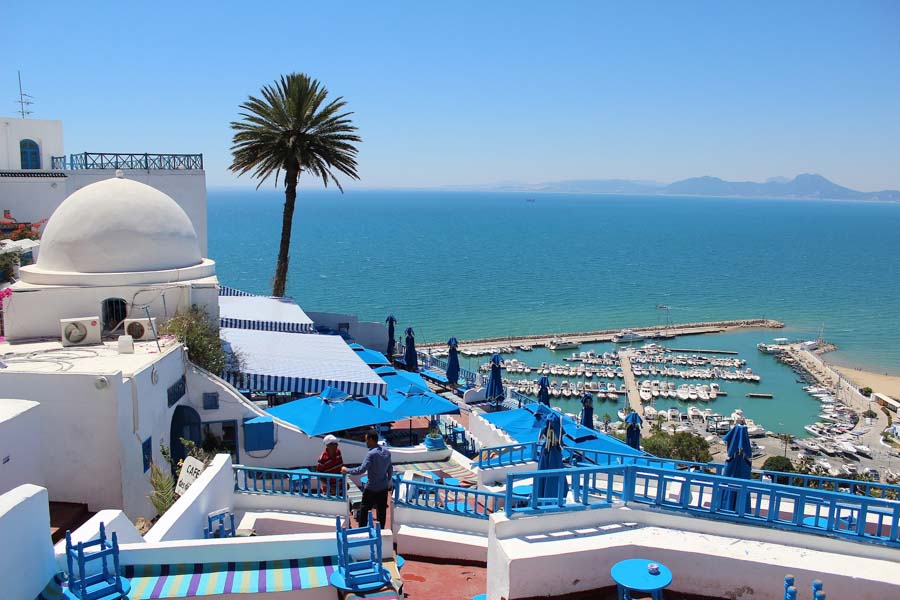
Where White Meets Blue
Tunisia is bordered by Algeria to the west and Libya to the southeast, with the sparkling Mediterranean Sea stretching along its northern and eastern shores. Along this sun-drenched coastline, the striking contrast between the azure waters and whitewashed buildings creates a picturesque scene. It's a favorite beach resort destination, especially for Europeans seeking an easily accessible Mediterranean escape.
In Tunisia, where an exotic culture flourished under Arab rule for nearly 800 years starting in the 7th century, you'll find a captivating blend of history and tradition. Lose yourself in the unique and intricate labyrinth of the Medina (Old City), where the vibrant array of Arab goods and the intoxicating scent of spices are sure to enchant you.
At the Mediterranean resort seaside, you can enjoy the gentle sea breeze while sipping mint tea, or explore magnificent World Heritage sites that evoke a sense of historical romance. In the endless, golden expanse of the Sahara Desert, you can embark on a serene camel ride across shimmering sands.
Tunisia is a place where the Mediterranean, the Arab world, and African culture converge, offering an abundance of wonders to discover.
Read more
Walk into scenes you’ve imagined—then make them yours.
Recommended Season
| Jan | Feb | Mar | Apr | May | Jun | Jul | Aug | Sep | Oct | Nov | Dec |
|---|---|---|---|---|---|---|---|---|---|---|---|
| ◯ | ◯ | ◎ | ◎ | ◎ | ◯ | △ | △ | ◎ | ◎ | ◯ | ◯ |
Best season (March–May & September–October) Spring and autumn offer the most comfortable conditions for traveling throughout Tunisia. Mild temperatures and low rainfall make these periods ideal for exploring historical sites, desert regions, and the Mediterranean coast.
Summer heat (July–August) Summer brings intense heat, particularly in inland cities and the Sahara. Coastal areas remain appealing thanks to sea breezes, making this season best suited for beach resorts rather than cultural or desert travel.
Winter travel (December–February) Winters are generally mild, especially along the coast. While evenings can be cool, this season is well suited for cultural exploration, archaeological sites, and quieter travel experiences.
Climate overview Tunisia enjoys a Mediterranean climate in the north and arid desert conditions in the south. Seasonal planning is important, as temperatures and travel comfort vary significantly between coastal, inland, and desert regions.