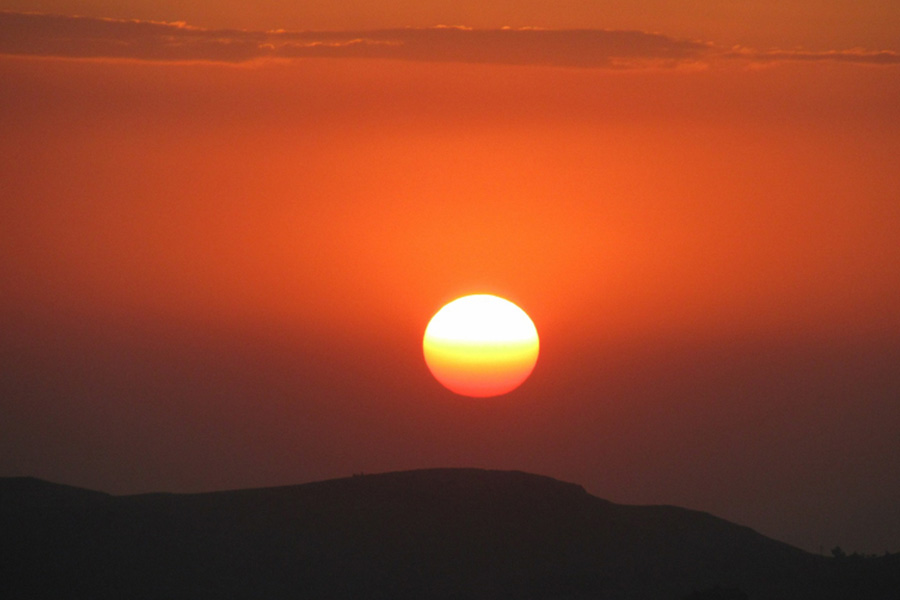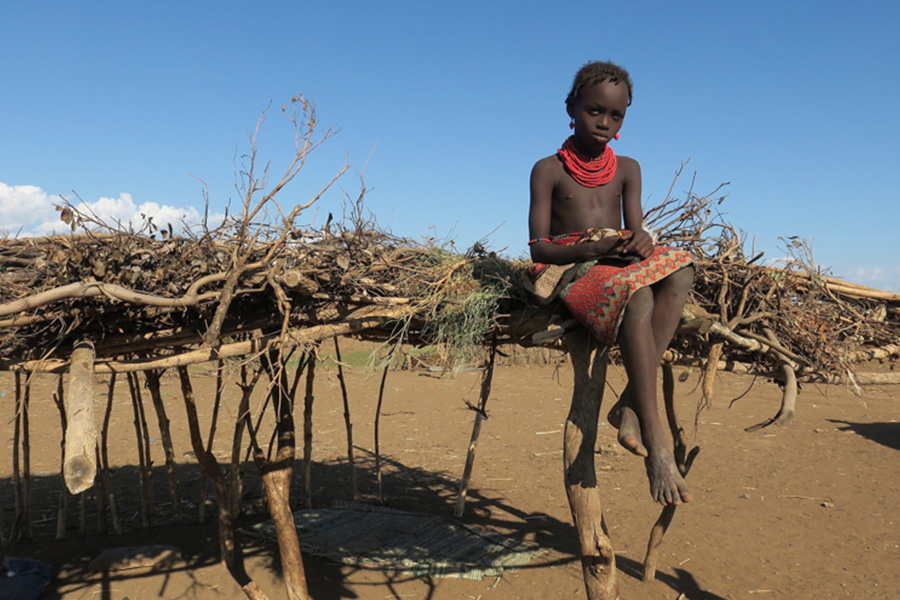
Ethiopia is an ancient country whose unique cultural heritage, rich history and remarkable biodiversity are reflected in a count of nine UNESCO World Heritage sites, more than any other country in Africa. Within its borders, you will find the fourth holiest Islamic city in the world, as well as being the oldest city continuously occupied south of the Sahara. Antiquities include the medieval churches excavated in the rock of Lalibela and Gheralta, ruined palaces and temples dating back 3,000 years, Gondar’s magnificent 17th-century castles and the oldest human fossils unearthed anywhere of the planet. Add to this the beautiful Mountains Simien and Bale, the spectacular volcanic landscapes of the Danakil Depression and a lot of mammals and birds that are not found anywhere else in the world and it is not surprising that Ethiopia has become the Tui destination Most attractive and popular emerging ticist in Africa.

Ethiopia: Where History Lives
Ethiopia’s fascinating and enigmatic recorded history dates back 3,000 years to the reign of the Queen of Sheba and King Solomon.
Ancient legends, sacred texts, and archaeological sites intertwine, shaping a civilization unlike any other in Africa.
From rock-hewn churches to age-old rituals still practiced today, history here is not confined to museums—it is lived.
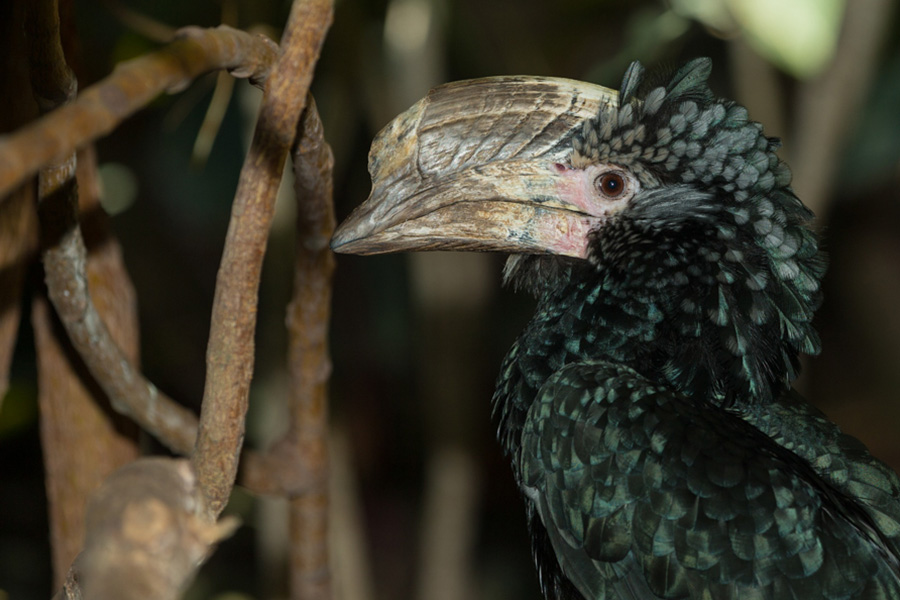
A Land of Rare Species
Ethiopia’s rich biodiversity is reflected in a diverse flora and fauna spanning more than 50 endemic species of mammals and birds, ranging from the iconic Ethiopian wolf to the spectacular Ruspoli turaco bird.
Shaped by dramatic highlands and isolated ecosystems, these species exist nowhere else on Earth.

A Nation on the Move
A stable and peaceful democracy since 1994, Ethiopia today is a federal state whose progressive economic policies are reflected in an average annual growth rate of about 10 percent.
This sustained growth has supported major investments in infrastructure, connectivity, and regional development across the country.
A diverse selection of exciting destinations awaits visitors from Ethiopia. National parks include the scenic Simien and Bale mountains, with its rich ness of endemic fauna, while historical sites range from atmospheric churches carved into the rock of Lalibela to the imposing stelae of Aksum and castles in Gondar. Other highlights include the imposing Erta Ale volcano, the cultural mosaic of Konso and South Omo, and bird-rich lakes that stretch along the floor of the Rift Valley. You can follow a series of five well-established routes to explore Ethiopia’s best-known destinations, along with some more unusual gems.
Walk into scenes you’ve imagined—then make them yours.
Recommended Season
| Jan | Feb | Mar | Apr | May | Jun | Jul | Aug | Sep | Oct | Nov | Dec |
|---|---|---|---|---|---|---|---|---|---|---|---|
| ◎ | ◎ | ◯ | ◯ | △ | △ | × | × | ◯ | ◎ | ◎ | ◎ |
Best season (October–February) This period offers the most reliable weather for traveling across Ethiopia. Dry conditions and moderate temperatures make it ideal for exploring historic sites such as Lalibela, Axum, and Gondar, as well as for trekking in the Simien Mountains.
Cultural and historical highlights Ethiopia’s rich heritage is best experienced during the dry months, when access to churches, archaeological sites, and remote regions is easiest. Major religious festivals, including Timkat (January), also take place during this season.
Rainy season (June–August) Heavy rainfall affects much of the country, particularly the highlands. Roads can become difficult to navigate, and some areas are temporarily inaccessible. However, this season brings dramatic landscapes and fewer visitors.
Climate considerations Ethiopia’s climate is shaped by elevation as much as by rainfall. Even during the dry season, temperatures remain relatively mild in the highlands, while lowland regions can be hot year-round. Planning by region and altitude is key to a comfortable journey.