
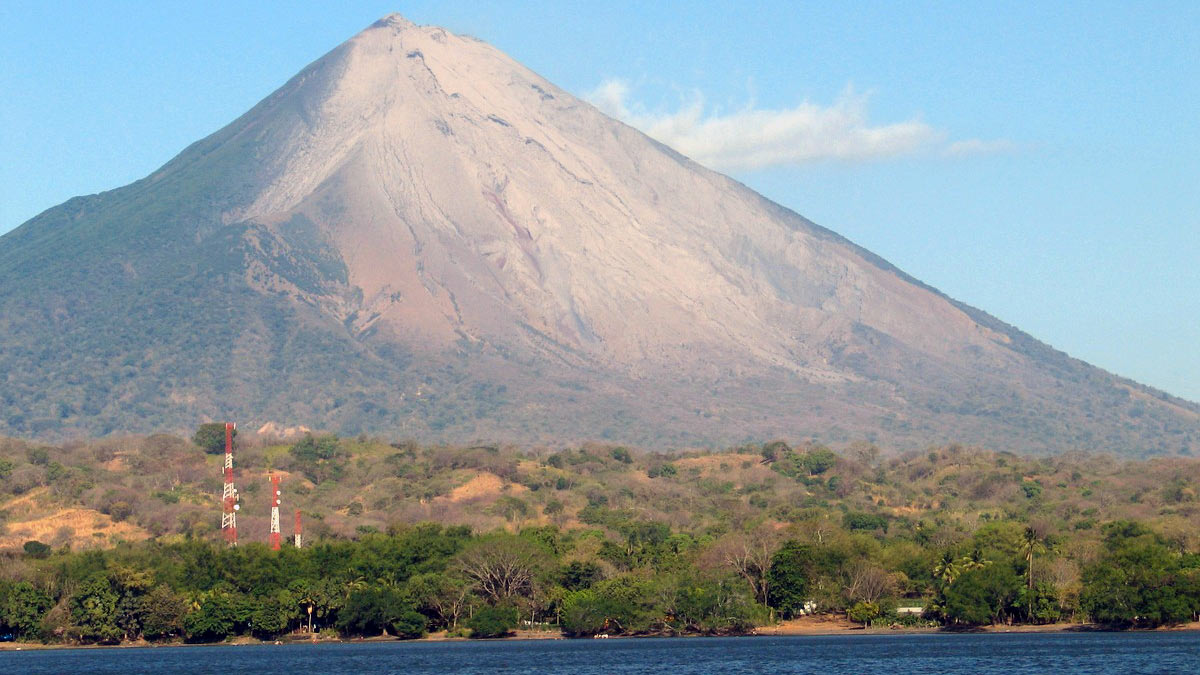
Nicaragua, known as the “Land of Lakes and Volcanoes,” is the largest country in Central America, offering stunning natural landscapes and a rich cultural heritage.
From active volcanoes and vast freshwater lakes to colonial cities like Granada and León, the country reveals a dramatic and authentic side of the region.
Less traveled and deeply rooted in tradition, Nicaragua invites exploration at a slower, more meaningful pace.
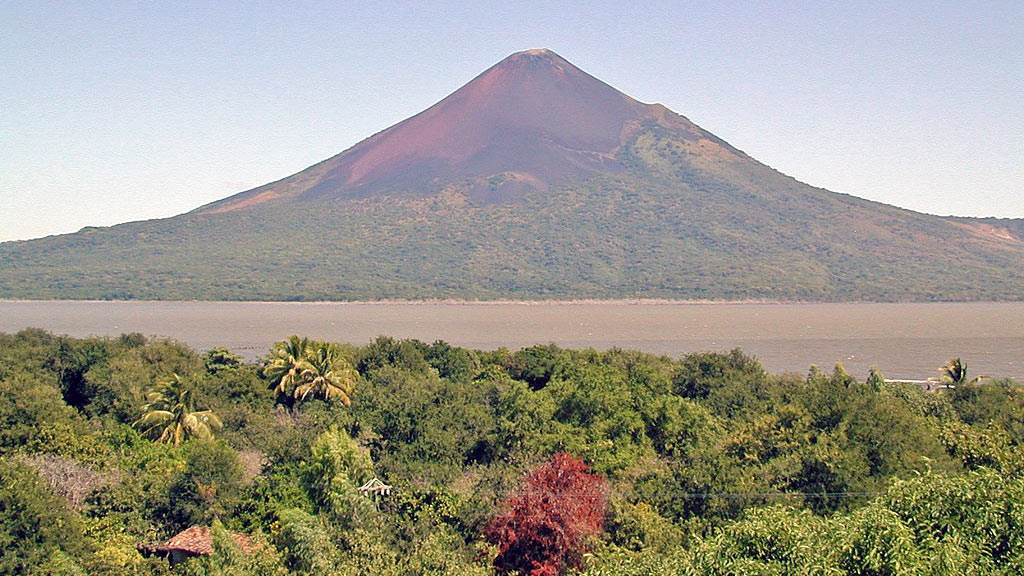
Nicaragua: Land of Fire and Water
It features majestic volcanoes such as Masaya and Concepción, pristine beaches along both the Pacific Ocean and the Caribbean Sea, and vast freshwater lakes like Lake Nicaragua.
This remarkable concentration of natural wonders creates a landscape shaped by fire and water, offering endless opportunities for adventure and discovery.
From dramatic volcanic silhouettes to tranquil shores, nature defines every journey through Nicaragua.
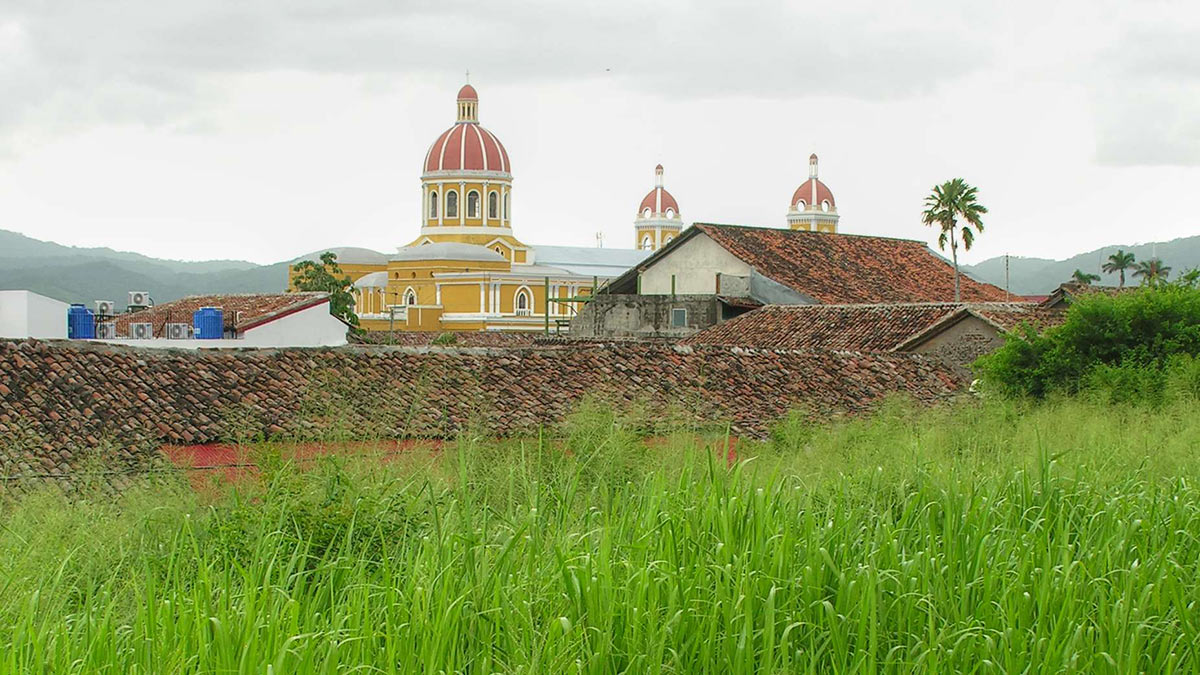
Culture, Adventure, and Warm Hospitality
The country is home to colonial cities like Granada and León, where colorful architecture, historic churches, and vibrant street life provide a glimpse into its fascinating past. Adventure seekers can enjoy activities like volcano boarding, hiking, surfing, and exploring lush rainforests teeming with wildlife. Nicaragua's friendly locals and affordable prices make it an attractive destination for travelers seeking authentic and unforgettable experiences.
Walk into scenes you’ve imagined—then make them yours.
Recommended Season
| Jan | Feb | Mar | Apr | May | Jun | Jul | Aug | Sep | Oct | Nov | Dec |
|---|---|---|---|---|---|---|---|---|---|---|---|
| ◎ | ◎ | ◎ | ◯ | △ | △ | ◯ | △ | × | △ | ◯ | ◎ |
Best season (December–April) The dry season offers the most comfortable and reliable conditions for traveling throughout Nicaragua. This period is ideal for exploring colonial cities, volcanoes, beaches, and outdoor adventure activities.
Rainy season (May–October) The wet season brings frequent afternoon showers, particularly in September. While travel can be more challenging, the countryside becomes lush and green, and visitor numbers are lower.
Shoulder seasons (April & November) These transitional months offer fewer crowds and good value, with generally manageable weather conditions.
Climate considerations Nicaragua has a tropical climate with regional variation. The Pacific coast is generally drier, while the Caribbean coast receives rainfall year-round. Planning by region and season is key to a rewarding journey.