
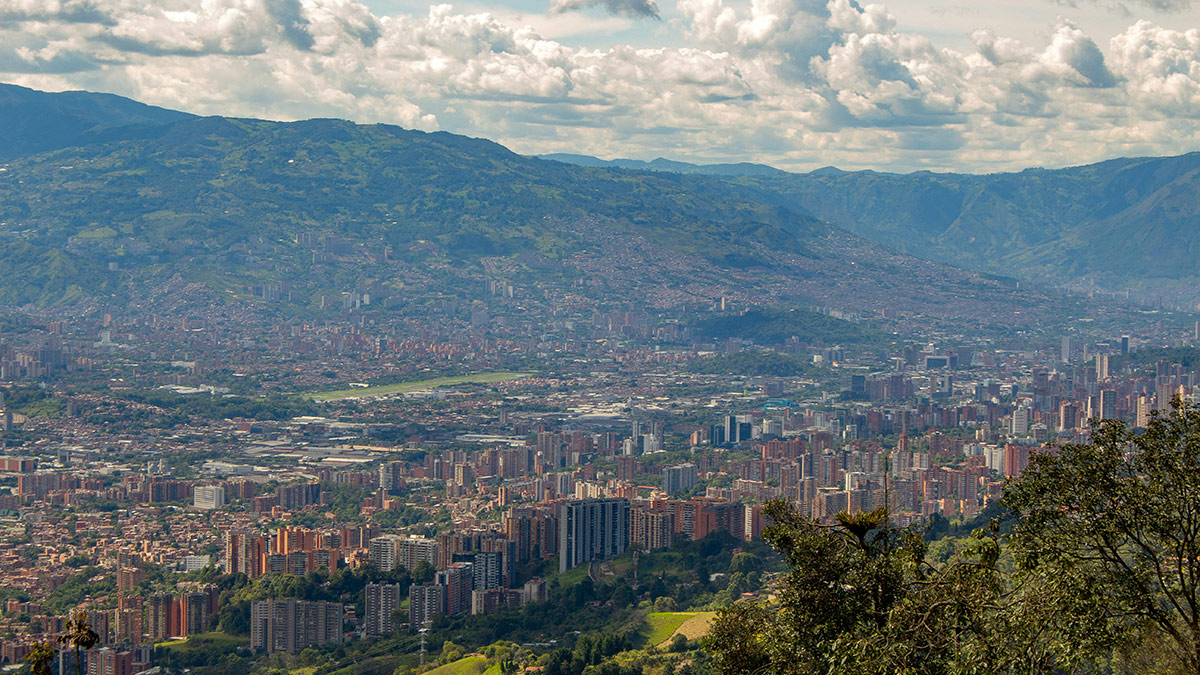
Colombia offers a rich tapestry of experiences, from the vibrant culture of Bogotá and Medellín to the lush coffee plantations and pristine beaches along the Caribbean coast.
This diversity unfolds across dramatic landscapes and warm communities, revealing a country defined by color, rhythm, and renewed energy.
A Journey Through Diverse Worlds
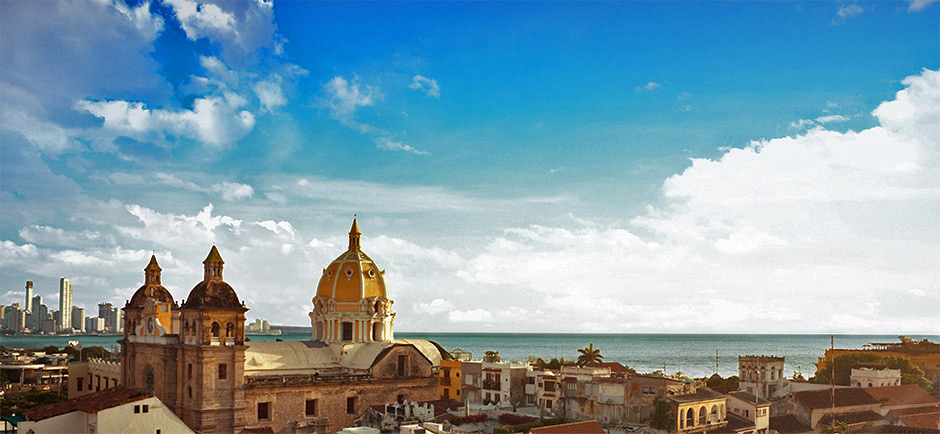
Colombia is a country located in the northwestern part of South America, bordered by Venezuela to the east, Brazil to the southeast, Peru to the south, Ecuador and Panama to the west, and the Pacific Ocean and Caribbean Sea to its shores. It has a diverse geography that includes the Andes mountain range, Amazon rainforest, Caribbean and Pacific coastlines, and vast plains (Llanos), with the capital city of Bogotá nestled high in the Andes.
This geographic variety creates one of the most remarkable travel destinations in South America, where mountain peaks, tropical jungles, sweeping savannas, and coastal paradises can all be explored in one journey.
Between Two Oceans
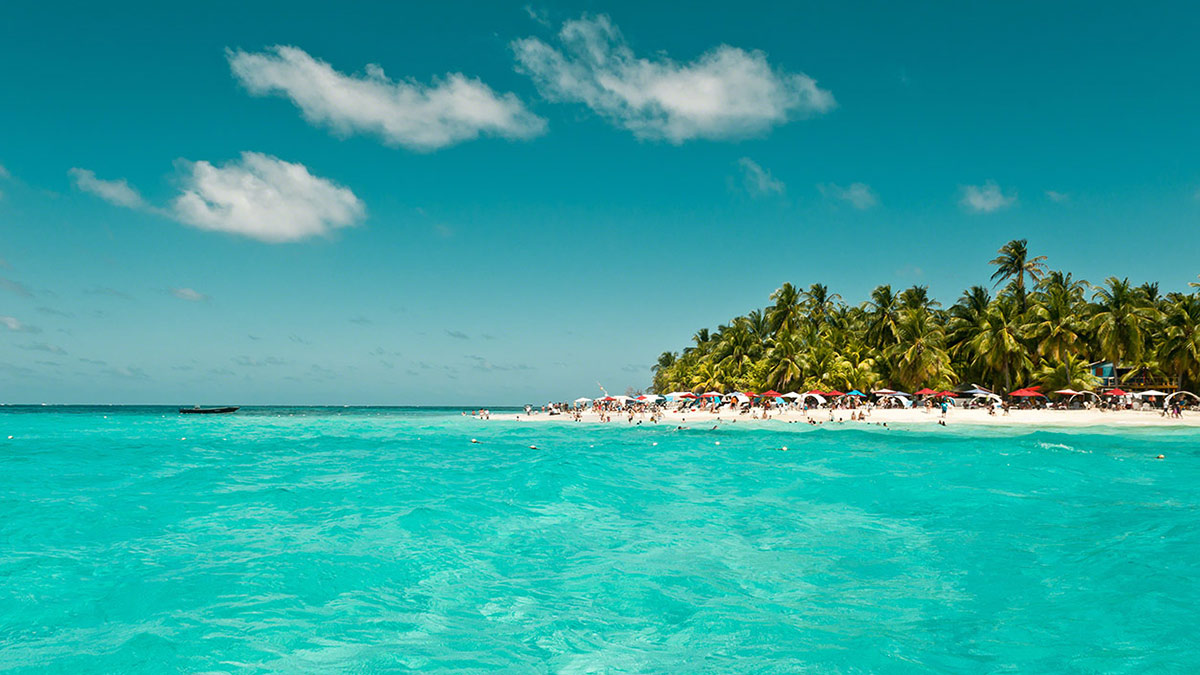
Colombia is the only South American country with coastlines on both the Pacific Ocean and the Caribbean Sea. This geographical variety gives the country numerous ecosystems, including tropical forests, highland plateaus, and coastal areas. The country's main rivers include the Magdalena, Cauca, and Orinoco.
From Ancient Civilizations to Modern Colombia
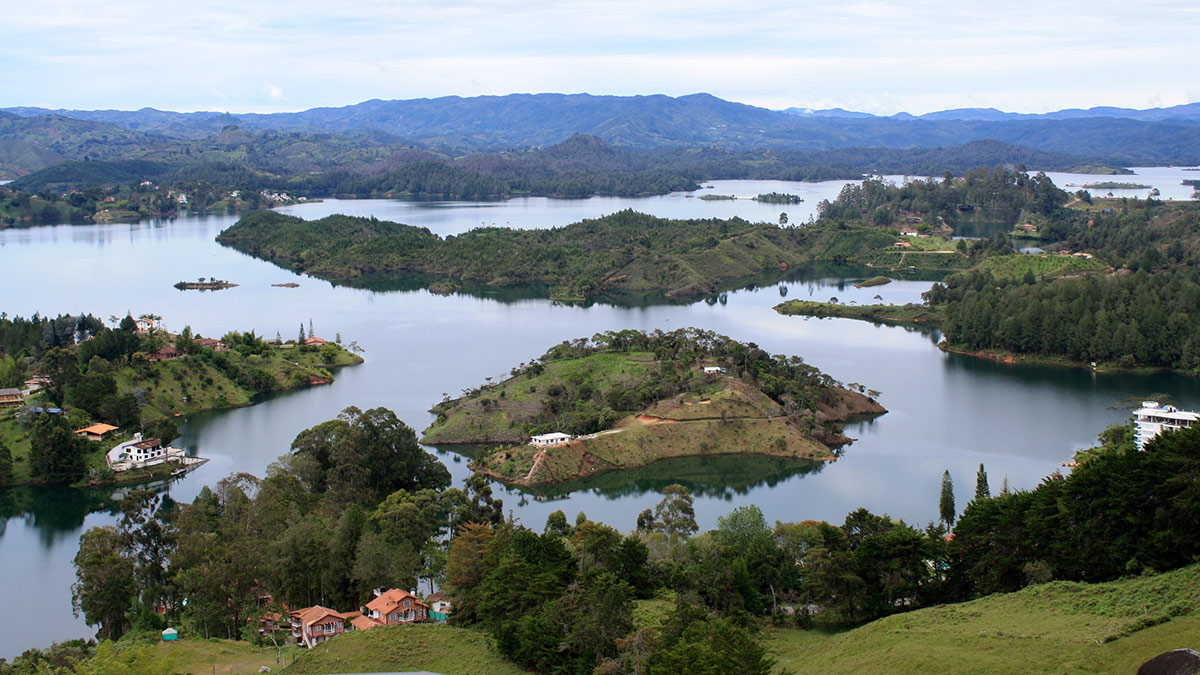
Colombia's pre-Columbian history includes a variety of indigenous groups, the most famous being the Muisca and Tayrona. In the early 16th century, Spanish conquistadors arrived, and Colombia became part of the Spanish Empire until gaining independence in the early 19th century under the leadership of Simón Bolívar. After independence, Colombia, Venezuela, Ecuador, and Panama were part of a larger entity called Gran Colombia, which eventually dissolved, leading to the establishment of the Republic of Colombia in 1831.
The country has experienced significant political instability and conflict throughout the 20th century, including a prolonged civil war and armed insurgencies, particularly involving groups like the Revolutionary Armed Forces of Colombia (FARC) and paramilitary organizations. A peace agreement was signed with FARC in 2016, reducing violence but challenges like drug trafficking and social inequality persist.
Walk into scenes you’ve imagined—then make them yours.
Recommended Season
| Jan | Feb | Mar | Apr | May | Jun | Jul | Aug | Sep | Oct | Nov | Dec |
|---|---|---|---|---|---|---|---|---|---|---|---|
| ◎ | ◎ | ◯ | △ | △ | ◯ | ◎ | ◎ | ◯ | △ | △ | ◎ |
Best season (December–February & July–August) These dry-season periods offer the most comfortable conditions for traveling throughout Colombia. They are ideal for exploring major cities, coffee regions, national parks, and the Caribbean coast.
Rainy seasons (April–May & October–November) Rainfall increases during these months, particularly in the Andes and Amazon regions. While travel can be more challenging, the landscapes are lush, and visitor numbers are lower.
Regional climate differences Colombia’s equatorial location means temperatures remain relatively stable year-round. Seasons are defined mainly by rainfall, with drier conditions along the Caribbean coast and wetter conditions in the Amazon and Pacific regions.
Year-round destination With careful regional planning, Colombia can be visited at any time of year. Choosing destinations based on seasonal rainfall helps ensure a rewarding travel experience.