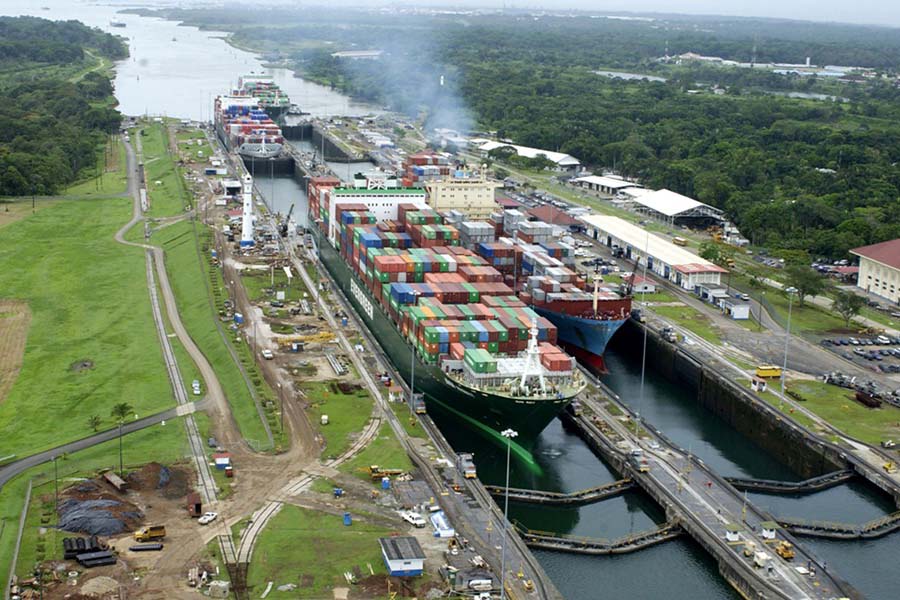
Panama is a country located at the southernmost tip of Central America, bordered by Costa Rica to the west, Colombia to the southeast, the Caribbean Sea to the north, and the Pacific Ocean to the south. Known as the "Crossroads of the Americas," Panama is famous for the Panama Canal, a crucial shipping route that connects the Atlantic and Pacific Oceans.
Panama City: Where Past Meets Present
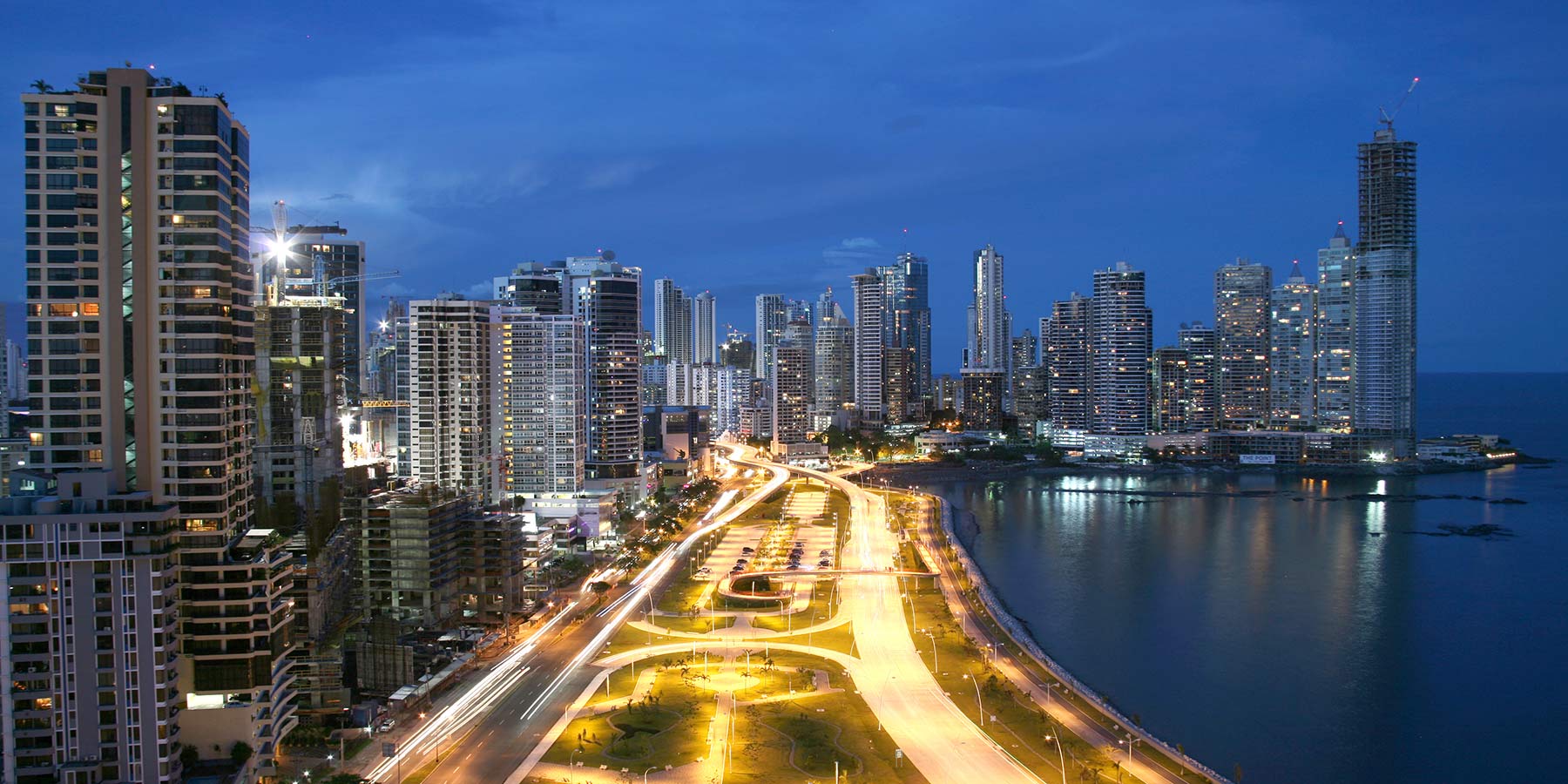
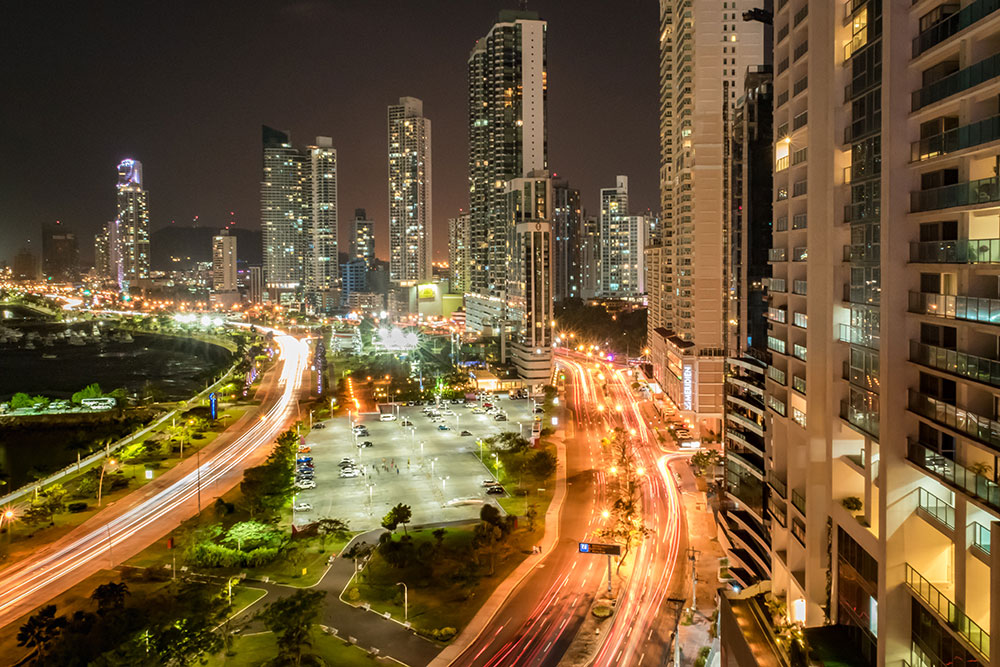
Panama City, a vibrant metropolis that serves as the cultural and economic hub of the country, featuring a mix of modern skyscrapers, colonial architecture, and historic districts.
From the historic streets of Casco Viejo to its striking skyline, the city bridges centuries of history with a dynamic modern spirit.
Gateway Between Oceans
Panama's economy is one of the most prosperous in Central America, heavily based on services, particularly banking, commerce, and tourism. The Panama Canal is a significant source of revenue, and the Colón Free Trade Zone is one of the largest free trade zones in the world.
Its strategic location has positioned Panama as a key global link between continents, oceans, and markets.
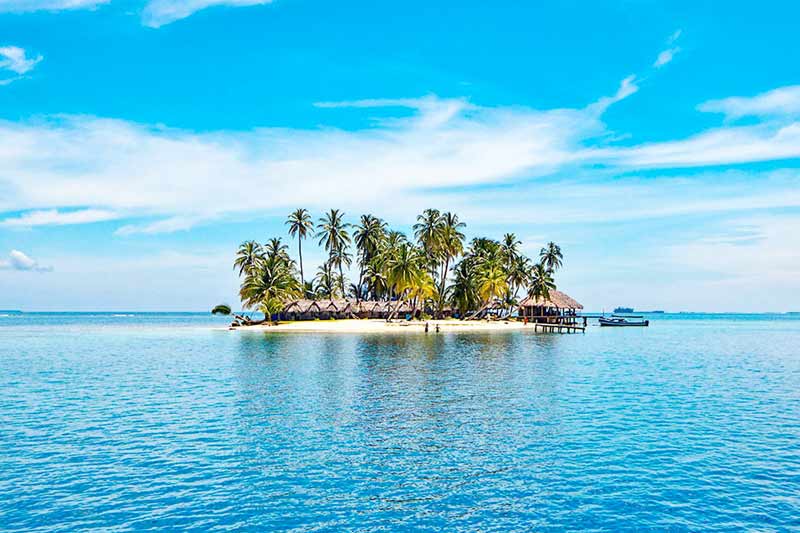
Islands, Rainforests, and Heritage
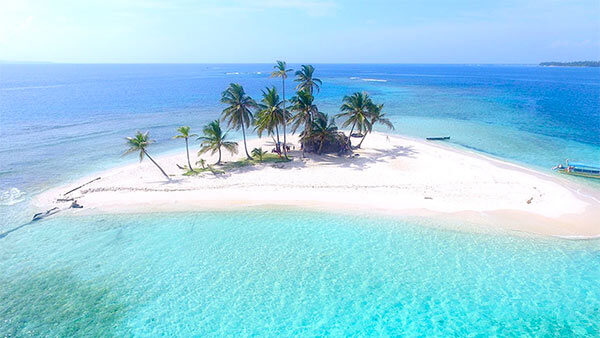
Panama is a growing tourist destination known for its rich biodiversity, pristine beaches, and cultural heritage. Visitors can explore rainforests, indigenous communities, and historic sites like Casco Viejo in Panama City. The Bocas del Toro archipelago and the San Blas Islands are popular for their stunning natural beauty.
Walk into scenes you’ve imagined—then make them yours.
Recommended Season
| Jan | Feb | Mar | Apr | May | Jun | Jul | Aug | Sep | Oct | Nov | Dec |
|---|---|---|---|---|---|---|---|---|---|---|---|
| ◎ | ◎ | ◎ | ◯ | △ | △ | △ | △ | ◯ | × | △ | ◯ |
Best season (January–March) The dry season offers the most reliable weather for traveling throughout Panama. Sunny days and low humidity make this period ideal for exploring Panama City, visiting rainforests, and enjoying beaches on both the Pacific and Caribbean coasts.
Rainy season (May–November) Known locally as the “green season,” this period brings frequent rainfall, particularly from September to October. While showers can affect travel plans, landscapes are lush, and visitor numbers are lower. The Caribbean coast often experiences less rain than the Pacific side.
Shoulder seasons (April & December) These transitional months provide a good balance of fewer crowds and improving weather conditions. They are well suited for travelers seeking flexibility and quieter experiences.
Climate considerations Panama has a tropical climate with high humidity year-round. Regional variations are significant, with the Caribbean coast typically wetter but more stable during the wet season, while the Pacific side experiences more pronounced rainfall patterns.